Food Grade Plastic Film Packaging: Materials, Standards & Applications
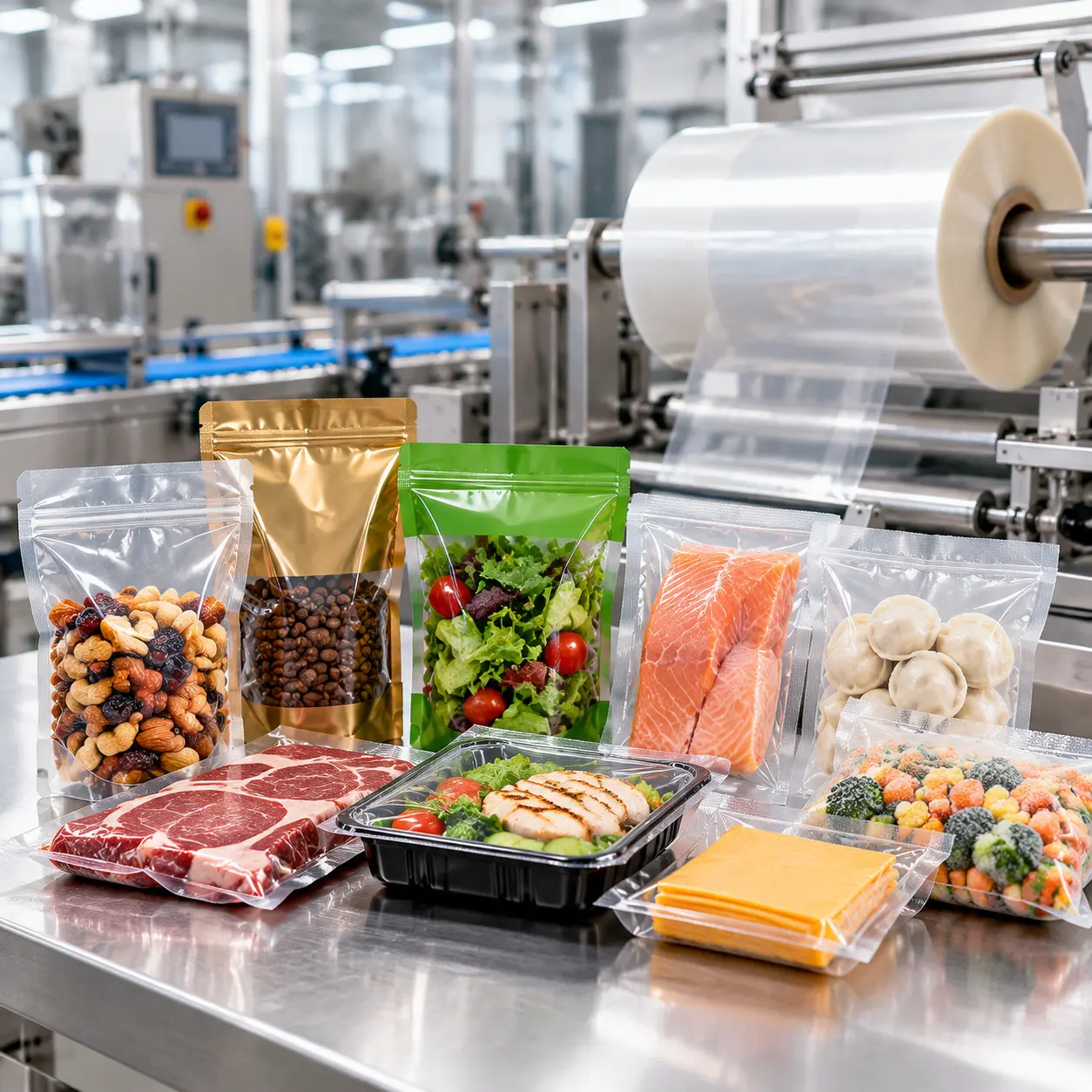
Choosing plastic film packaging for food is more than a price decision. The film touches the product, protects shelf life, and must meet the food safety rules of your market. A wrong choice can cause spoiled goods, failed inspections, or rejected shipments.
This guide is for importers, distributors, brand owners, and procurement teams that source flexible packaging films from China. The flexible packaging films market offers many options, which makes comparison hard. Here you will find the main materials, safety standards, barrier levels, formats, and selection steps. Use it to compare suppliers and prepare your inquiry.
Shanghai Yutop Plastic Packaging Co., Ltd. is a flexible packaging film manufacturer with over 20 years of experience in custom processing. We make roll film, bags, and pouches for food and other industries.
What Is Food Grade Plastic Film Packaging?
Food grade plastic film packaging is flexible plastic film that is safe for direct or indirect food contact. It is supplied as roll film, pre-made bags, pouches, or lidding film.Food grade is not a single material. It is a compliance status. A film qualifies only when every part, including resin, inks, adhesives, and additives, meets the rules of the country where the food is sold.
Flexible plastic films for packaging are used in a wide range of industries. In flexible film packaging for food, the film must seal well, resist leaks, and survive transport, storage, and sometimes heat treatment.
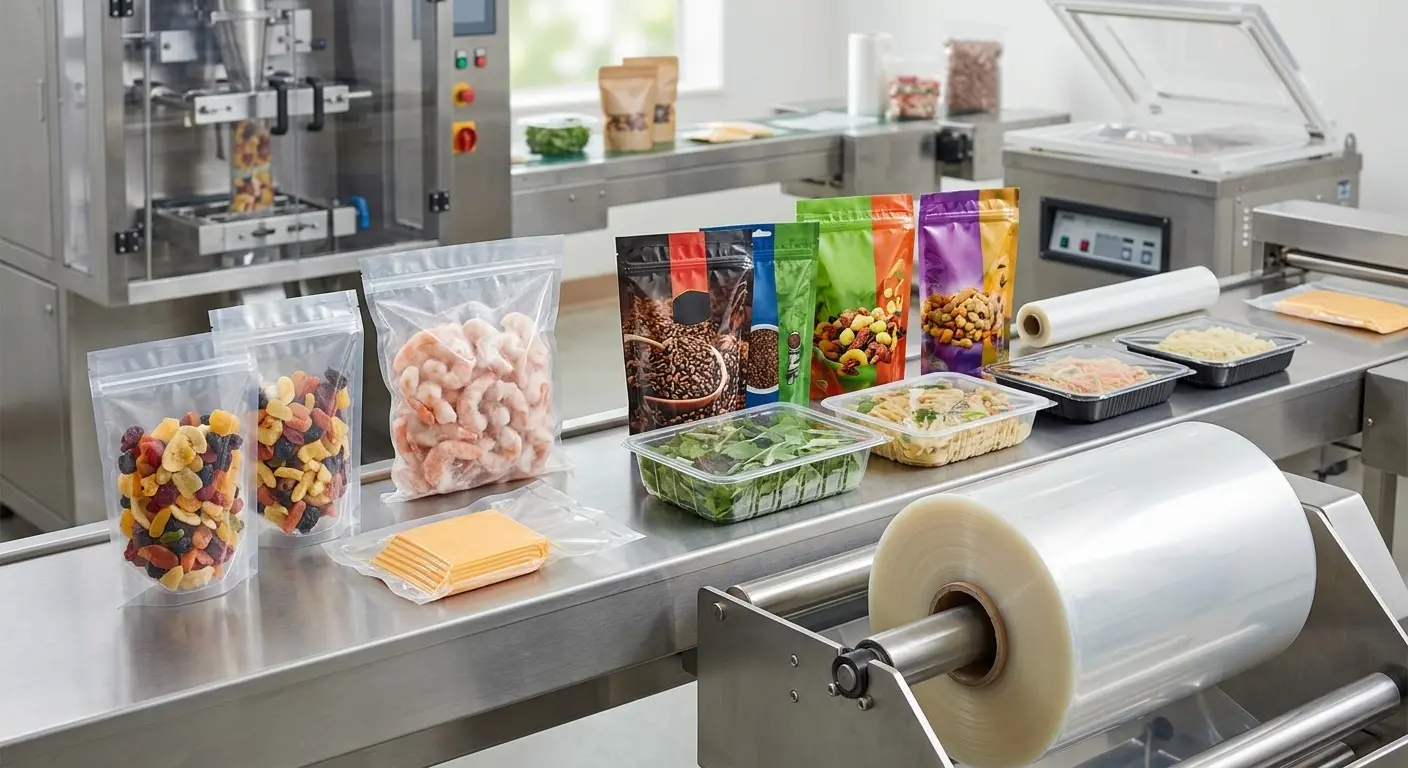
Why Food Grade Plastic Film Is Used for Food Packaging (Key Benefits)
Flexible films for food packaging replace glass, metal, and rigid plastic in many applications. The main reasons are practical:• Longer shelf life. Barrier layers slow down oxygen and moisture, which reduces spoilage and stale taste.
• Food protection. A sealed film blocks dust, odours, and contamination during handling and shipping.
• Lower freight cost. Rolls and flat bags use less shipping space than rigid containers.
• Strong branding. Film accepts high-quality printing, so your pack stands out on the shelf.
Common Food Grade Plastic Film Materials: PE, PP, PET, PA, CPP and EVOH
Most plastic films in flexible packaging combine several materials. Each one adds a specific property. Understanding flexible packaging film types helps you read a supplier quotation with confidence.Polyethylene (PE)
PE is the most common heat-seal layer. It is soft, flexible, and resists moisture. LDPE and LLDPE are widely used as the inner layer of food bags, including frozen food packs.Polypropylene (PP) and CPP
PP offers good clarity and stiffness. Cast PP (CPP) is a common sealing layer. Retort-grade CPP (RCPP) can withstand high-temperature cooking.Polyester (PET)
PET gives strength, heat resistance, and a smooth surface for printing. It is often used as the outer layer. Metallised PET adds light and moisture protection.Polyamide (PA / Nylon)
PA resists punctures and offers a good oxygen barrier. It is a standard choice for vacuum packs of meat, cheese, and seafood.EVOH
EVOH provides a very high oxygen barrier. It is sensitive to humidity, so manufacturers place it between PE or PA layers inside a multilayer film.Aluminium foil and metallised layers can be added when a product needs a full light barrier. These speciality films and flexible packaging structures suit products with a long shelf life.
Plastic Film Materials Compared: Properties, Barrier Level and Best Uses
Use the table below as a quick reference when you discuss specifications with flexible packaging film suppliers. The values are general guidance. Actual performance depends on thickness and film structure.| Material | Main Strength | Oxygen Barrier | Moisture Barrier | Typical Food Use |
| PE (LDPE / LLDPE) | Heat sealing, flexibility | Low | Good | Inner layer for snack, frozen food, and bread bags |
| PP / CPP | Clarity, stiffness | Low | Good | Snack wraps, bakery, sealing layer |
| RCPP | Retort heat resistance | Low | Good | Retort and steaming pouches |
| PET | Strength, printability | Medium | Medium | Outer print layer |
| PA (Nylon) | Puncture resistance | Good | Low | Vacuum bags for meat and cheese |
| EVOH | Very high oxygen barrier | Very high | Low (needs protection) | Multilayer barrier films |
| Aluminium foil / metallised film | Light and gas barrier | Very high | Very high | Long shelf life food, coffee, retort packs |
Single-Layer vs Multilayer Laminated Films: Which Is Better for Food?
Neither is better in every case. Films for flexible packaging are either single-layer or laminated, and the right choice depends on your product.Single-layer (mono) film
Mono film is simple and low cost. It suits dry, short shelf life products such as bread, fruit, or fresh vegetables. It offers limited oxygen protection.Multilayer laminated film
Laminated film bonds two or more layers, for example PET/PA/PE or PET/AL/RCPP. Each layer does one job: printing, strength, barrier, or sealing. This structure protects products that are sensitive to oxygen, moisture, or light.For a shelf life of more than a few weeks, multilayer film is usually the safer option.
Food Safety Standards for Plastic Film Packaging (FDA, EU 10/2011, BRC, ISO 22000)
Buyers in different regions follow different rules. Knowing the main ones helps you ask for the right documents.• FDA (USA). Food contact materials must comply with FDA regulations, mainly 21 CFR. Suppliers usually provide a statement or test data showing the material suits the intended food type.
• EU Regulation 10/2011. This rule covers plastic materials in contact with food in the EU. It sets limits on overall migration and on specific migration of substances into food. It works under the framework Regulation (EC) No 1935/2004.
• BRCGS Packaging Materials. This is a factory-level standard for hygiene and quality control. Many retailers and brand owners ask for it.
• ISO 22000. This is a food safety management system standard. Some packaging factories use it to manage hygiene and risk.
• China GB 4806 series. These are Chinese food contact standards. Some buyers ask for related test reports for products made in China.
Material standards and factory standards are different things. A migration test report shows that a film is suitable for food contact. A BRCGS or ISO 22000 certificate shows how a factory manages quality. Ask for the document that matches your need, and do not assume one replaces the other.
How to Tell If a Plastic Film Is Truly Food Grade
A label that says “food grade” is not proof. Check these items before you approve a supplier:• Test reports. Ask for migration test reports from an accredited laboratory, issued for the same film structure you will buy.
• Declaration of compliance. The supplier should state which regulations the film meets.
• Layer structure. Request the full structure, for example PET/PA/PE, with the thickness of each layer.
• Inks and adhesives. Confirm that they suit food packaging and are placed to avoid direct food contact where required.
• Traceability. Make sure batch numbers allow tracking of raw materials and production.
• Factory hygiene. Review the production environment, cleaning practice, and quality checks by video audit or visit.
Reliable flexible film manufacturers answer these questions openly and provide documents on request.
Barrier Properties Explained: Oxygen, Moisture, Light and Aroma Protection
Barrier performance decides shelf life. Four properties matter most:• Oxygen barrier. Measured as OTR (oxygen transmission rate). A low OTR protects fats, meat, and coffee from oxidation and off flavours.
• Moisture barrier. Measured as WVTR (water vapour transmission rate). It keeps crisp snacks dry and stops powders from clumping.
• Light barrier. Opaque, metallised, or foil layers block light. Light can change colour and cause rancidity in some foods.
• Aroma barrier. A good aroma barrier keeps flavour inside the pack and stops outside odours from entering.
When you send an inquiry, state your product, target shelf life, and storage conditions. The supplier can then suggest a suitable structure. Request OTR and WVTR test data if your product is sensitive.
Applications of Food Grade Plastic Film: Snacks, Frozen Food, Meat, Dairy and Beverages
Different foods need different film structures. Common examples include:• Snacks and dry food. Moisture and light protection keep products crisp. Laminates with metallised layers are common.
• Frozen food. Films must stay flexible and seal well at low temperatures. PE-based inner layers are typical.
• Meat and seafood. Vacuum packs use PA/PE structures for puncture resistance and oxygen barrier.
• Dairy. Cheese, milk powder, and yoghurt need moisture and oxygen control. Sealing film is widely used for cups.
• Beverages and liquids. Spout pouches and standup pouches hold juices, sauces, and drinks.
You can see our food packaging range on the Food Packaging Solution page, which covers daily food, fast food, and food processing.
High-Temperature Films for Retort, Steaming and Pasteurized Food Packaging
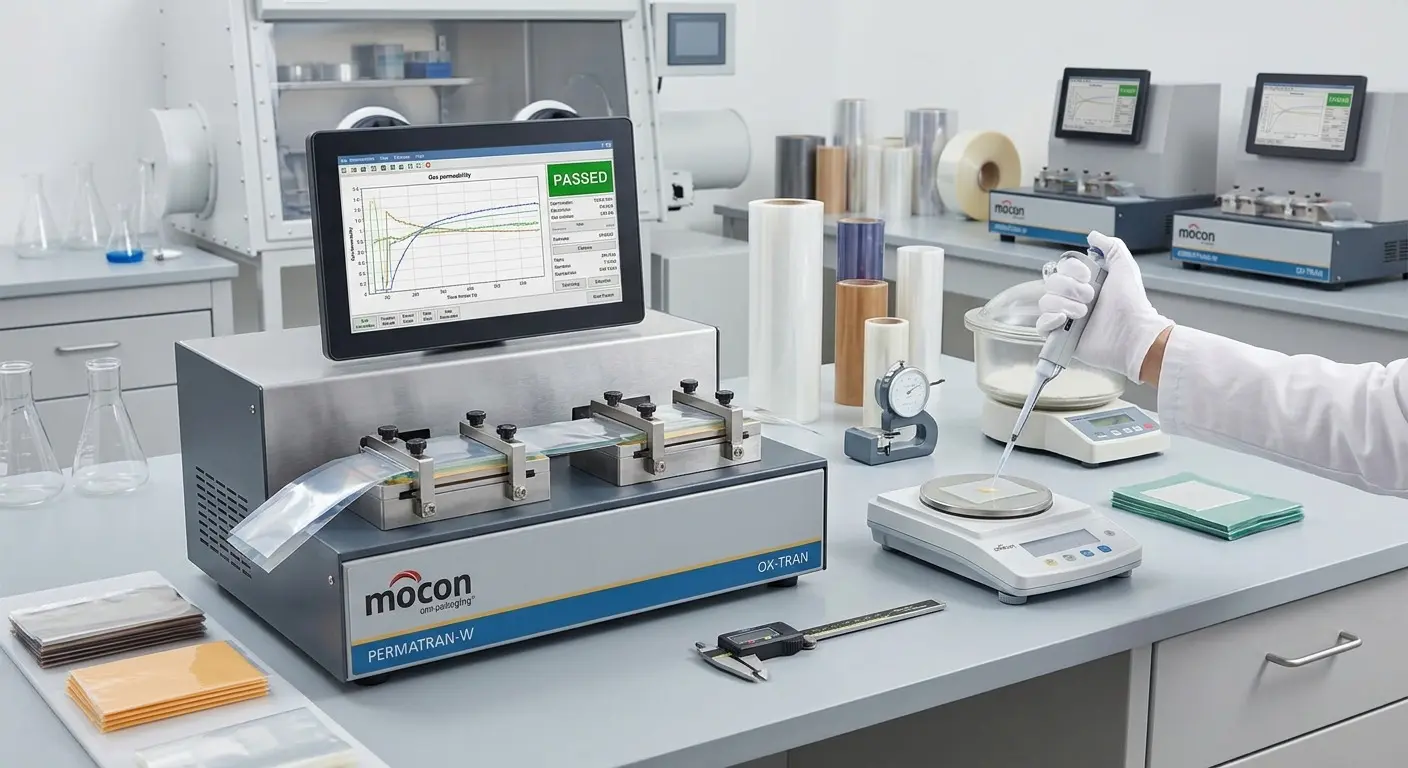
Some foods are heated inside the pack. The film must keep its seal and avoid delamination under heat.
• Retort packaging. Sterilisation usually takes place at around 121°C.
• Steaming and microwave heating. Bags need heat-resistant sealing layers.
• Pasteurized food. Pasteurisation uses lower temperatures than retort, but the film still needs strong seals and stable barrier properties.
Yutop offers steaming heated packaging bags and pasteurized packaging bags in the Composite Material Packaging Bag range. Tell us your cooking temperature, time, and method, and we can suggest a suitable structure.
Food Grade Plastic Film Formats: Roll Film, Pouches, Three Side Seal Bags and Sealing Films
The same film can be supplied in several forms. Choose the format that fits your filling method and product.Roll film
Roll film runs on automatic packing machines that form, fill, and seal the pack. Buyers specify film width, core size, and roll length. Browse our Plastic Packaging Roll Film range to see the available options.Three side seal bags
A three side seal bag is sealed on both sides and the bottom, with the top open for filling. It is easy to inspect and suits powders, snacks, frozen food, and sauces. For vacuum packing, vacuum bags three side seal styles use PA/PE structures for puncture resistance and tight sealing.Pouches and other bag styles
Standup pouches, self seal bags, four side seal bags, eight side seal bags, and spout pouches serve different products and shelf displays.Sealing film
Easy-tear sealing film closes cups and trays for dairy, desserts, and ready meals.Custom Printing and Design Options for Food Packaging Film
Custom design helps your product look professional and meet label rules. Buyers can usually specify these points:• Bag style, size, and film width
• Film structure and thickness
• Artwork, colours, and matte or glossy finish
• Features such as zipper, tear notch, hang hole, or spout
• Required text, such as ingredients, barcodes, and country of origin
Send your artwork in vector format and ask for a sample before bulk production.
How to Choose the Right Food Grade Plastic Film for Your Product (Step-by-Step)
1.Define your product. Is it dry, wet, oily, frozen, hot-filled, or heated in the pack?2.Set shelf life and storage. Note the target shelf life and the storage temperature.
3.Select the barrier level. Match oxygen, moisture, and light protection to your product.
4.Choose the format. Pick roll film or ready-made bags to suit your filling machine.
5.Confirm compliance. Check the rules of your market and request the matching documents.
6.Test samples. Run samples on your line and check seal strength, appearance, and shelf life.
7.Check the supplier. Review custom processing ability, quality control, export packing, shipping documents, and communication speed.
When you compare flexible packaging companies and packaging film companies, look beyond price. Ask about quality inspection, batch records, and how the supplier handles problems after delivery. Long-term supply depends on stable quality.
Sustainable Food Packaging Film: Recyclable and Mono-Material Options
Packaging regulations are tightening in Europe and other regions, and brand owners want more sustainable packs. The main options are:• Mono-material structures. All-PE or all-PP packs are designed to fit existing recycling streams. They may offer lower barrier than multi-material laminates, so test shelf life first.
• Paper-based options. Kraft paper bags suit some dry foods, often with a barrier lining.
• Recycled content. Rules for recycled plastic in direct food contact are strict. Confirm approvals before you use it.
Recyclability depends on local collection and sorting systems. Do not rely on a claim alone. Ask your supplier to explain the structure and the basis of the claim.
Food Grade Plastic Film Packaging FAQs
Is plastic film safe for food contact?
Yes, when the film is made from food grade materials and meets the rules of your market. Check the migration test reports and the declaration of compliance for the exact structure you buy.Which plastic film is used for frozen food packaging?
PE-based inner layers are common because they stay flexible and seal well at low temperatures. Laminates such as PET/PA/PE add strength and oxygen barrier.What documents should I ask a flexible packaging film manufacturer for?
Ask for a declaration of compliance, migration test reports, and full structure details. Also request quality system certificates, such as ISO or BRCGS, if your customers require them.Can food grade plastic film be used for boiling, steaming, or microwave heating?
Only specially designed films can. Retort and steaming bags use heat-resistant materials such as RCPP. Standard PE film can fail under high heat. Share your temperature, time, and heating method with the supplier.What is the difference between roll film and pre-made bags?
Roll film runs on automatic machines that form and seal the pack. Pre-made bags, such as three side seal bags or pouches, are filled and sealed by hand or semi-automatic equipment.What information should I send to get a quotation?
Send the product type, bag size or film width, structure and thickness if known, printing needs, order quantity, and destination country.Conclusion
Selecting plastic film packaging for food means balancing safety, barrier performance, format, and cost. Start with your product and shelf life needs. Then confirm materials, standards, and documents before you order. A clear specification reduces risk and saves time with any supplier.Yutop supports international buyers with custom flexible packaging films, bags, and pouches for food. If you are comparing flexible packaging films manufacturers, send us your product details, target market, and packaging requirements. Our team can help with material suggestions, samples, quotations, and technical questions. See our How To Order page for the ordering process, or email us at yutoppack@163.com.