Plastic Bag for Frozen Food Packaging: Types, Materials & How to Choose
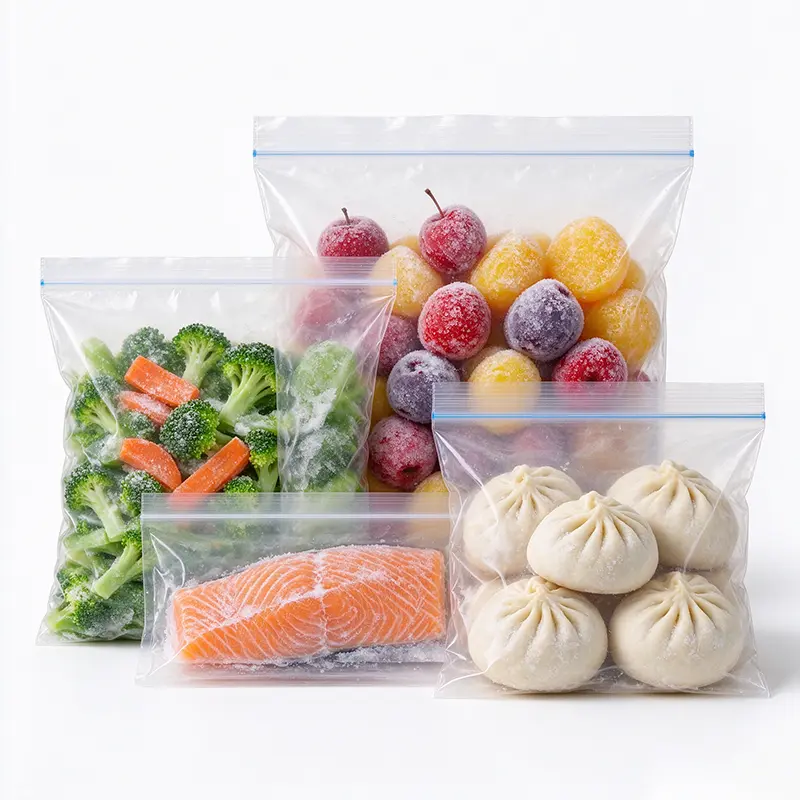
Frozen food travels a long way before it reaches the consumer. It moves from the production line to a blast freezer, then to cold storage, export shipping and finally a retail freezer. The packaging must hold up at every step. A weak seal, a thin film or a poor barrier can cause freezer burn, leaks and customer complaints.
For importers, distributors and food brands, choosing the right plastic bag for frozen food packaging is a technical decision, not only a price comparison. Bag structure, film material, thickness and sealing method all affect product quality on arrival.
This guide explains the main bag types, common materials, key performance features and a simple selection process. It also covers custom printing, food-grade requirements and the details a supplier needs to quote accurately. Yutop Packaging, a flexible packaging manufacturer in China with over 20 years of custom processing experience, prepared it for international B2B buyers.
What Is a Plastic Bag for Frozen Food Packaging?
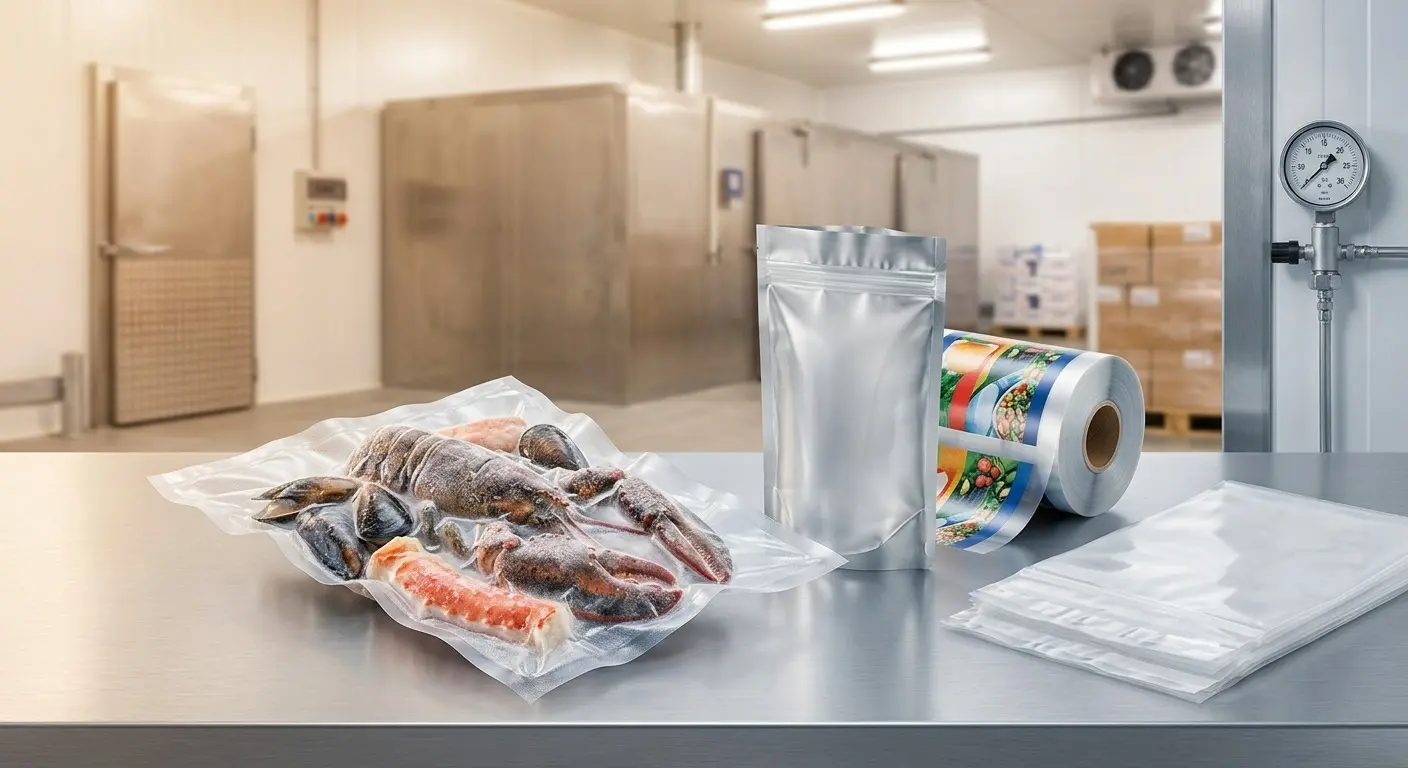
A plastic bag for frozen food packaging is a flexible bag made from plastic film. It holds food during freezing, cold storage, transport and retail display. It protects the product from moisture loss, oxygen, odors and physical damage.
Not every plastic bag can do this job. Ordinary thin films can turn brittle in the cold, and weak seals can crack. Frozen food bags use films and structures chosen for low-temperature use. Many are multilayer laminates, which combine layers for strength, barrier protection and heat sealing.
Buyers commonly use these bags for:
• Frozen meat and poultry
• Fish and seafood
• Frozen vegetables and fruit
• Dumplings, snacks and ready meals
Why Use Plastic Bags for Frozen Food Packaging? Key Benefits
Plastic bags remain a popular choice for frozen products because they balance protection, cost and flexibility. The main benefits are:• Freezer burn control: A tight film limits moisture loss and surface drying.
• Oxygen protection: Barrier films slow oxidation, which affects color, flavor and fat quality.
• Lower freight cost: Flexible bags weigh much less than rigid trays or cans and take up less container space.
• Format choice: You can select a vacuum bag, pouch, flat bag or roll film to suit each product.
• Brand presentation: Bags accept custom printing, including logos, cooking instructions and barcodes.
Types of Plastic Bags for Frozen Food Packaging
Each bag type solves a different problem. The right choice depends on your product, your filling method and your sales channel. The table below gives a quick comparison.| Bag Type | Best For | Common Structures | Main Advantage |
| Vacuum bag | Meat, fish, seafood, cheese | PA/PE, PET/AL/PE | Removes air and gives strong barrier protection |
| Standup pouch | Retail packs of fruit, vegetables, snacks, dumplings | Laminated films such as PET/AL/PE | Stands on the shelf; zipper option available |
| Three side seal bag | Portion packs and small retail packs | PET/PE, PET/AL/PE, CPP | Flat, printable, three heat-sealed edges |
| Self seal bag | Dry or short-term items, secondary packing | LDPE, HDPE, PE/PET composite | Fast closing without a heat sealer |
| Roll film | Automatic filling and sealing lines | Laminated flexible films | Consistent pack size and lower labor cost |
Vacuum Bags for Frozen Food: Best for Meat and Seafood
A vacuum packaging plastic bag removes air from around the food before sealing. This reduces oxidation and limits ice crystal growth on the surface. For frozen meat, fish and seafood, it is often the first format buyers consider.Yutop's Vacuum Bag range uses multilayer films such as PA/PE and PET/AL/PE. The bags work with commercial and industrial vacuum sealers. Thickness can be customized from 30 to 150 microns, and both clear and opaque options are available. Opaque, aluminum-lined bags also block light.
When you compare vacuum plastic bags for frozen products, check these points:
• Puncture resistance: Bone-in meat and shellfish need thicker or PA-rich films.
• Seal strength: The seal must survive freezing, handling and transport.
• Clarity: Clear bags help buyers see the product and support quality checks.
• Food-grade material: Confirm that the film is suitable for direct food contact in your market.
Zipper (Self-Seal) Bags for Frozen Food: Best for Reusable Storage
Resealable bags suit consumer packs that people open more than once. A plastic seal bag for packaging can use two different closing methods, and buyers should understand the difference.Yutop's self seal bags use a pressure-sensitive adhesive strip. The strip closes by hand pressure, so packers need no heat sealer, tape or ties. The bags come in LDPE, HDPE or composite films such as PE/PET, in thicknesses from 20 to 100 microns. They work well for dry goods and short-term packing.
Adhesive strips can behave differently at freezing temperatures. For frozen products, request a sample and test it in your own freezer before you order in bulk. If you need a reclosable frozen retail pack, a zipper closure on a standup pouch is usually the more practical route.
Stand-Up Pouches for Frozen Food: Best for Retail Shelves
A Standup Pouch has a bottom gusset that lets it stand upright in a freezer display. This improves shelf presence and makes better use of space. Pouches suit frozen fruit, vegetables, dumplings, snacks and ready-to-cook items.Key features of Yutop's standup pouches include:
• Zipper, spout or heat-seal top options
• Multilayer laminated films, such as PET/AL/PE, that block oxygen, moisture and light
• Full-color CMYK printing for logos, product details and compliance information
• Optional clear windows, so shoppers can see the food inside
Clear windows and plastic packaging bags transparent panels help consumers judge quality.
Three-Side Seal Bags and Roll Film for Frozen Food Packaging
A Three Side Seal Bag has heat-sealed left, right and bottom edges, with the top open for filling. This format suits portion packs, small retail packs and food service portions.Yutop's three side seal bags are available from 5 x 8 cm up to 30 x 40 cm. Material options include PET, PE, CPP and laminates such as PET/PE and PET/AL/PE. Thickness ranges from 20 to 100 microns. Printing options include CMYK, flexo and gravure.
Roll film suits factories with automatic filling and sealing machines. The machine forms the bag from the film, which keeps pack size consistent and reduces labor. If you plan to use roll film, send your film width, core size and winding direction with your inquiry.
Best Materials for Frozen Food Plastic Bags: PE, PA/PE, PET/PE and More
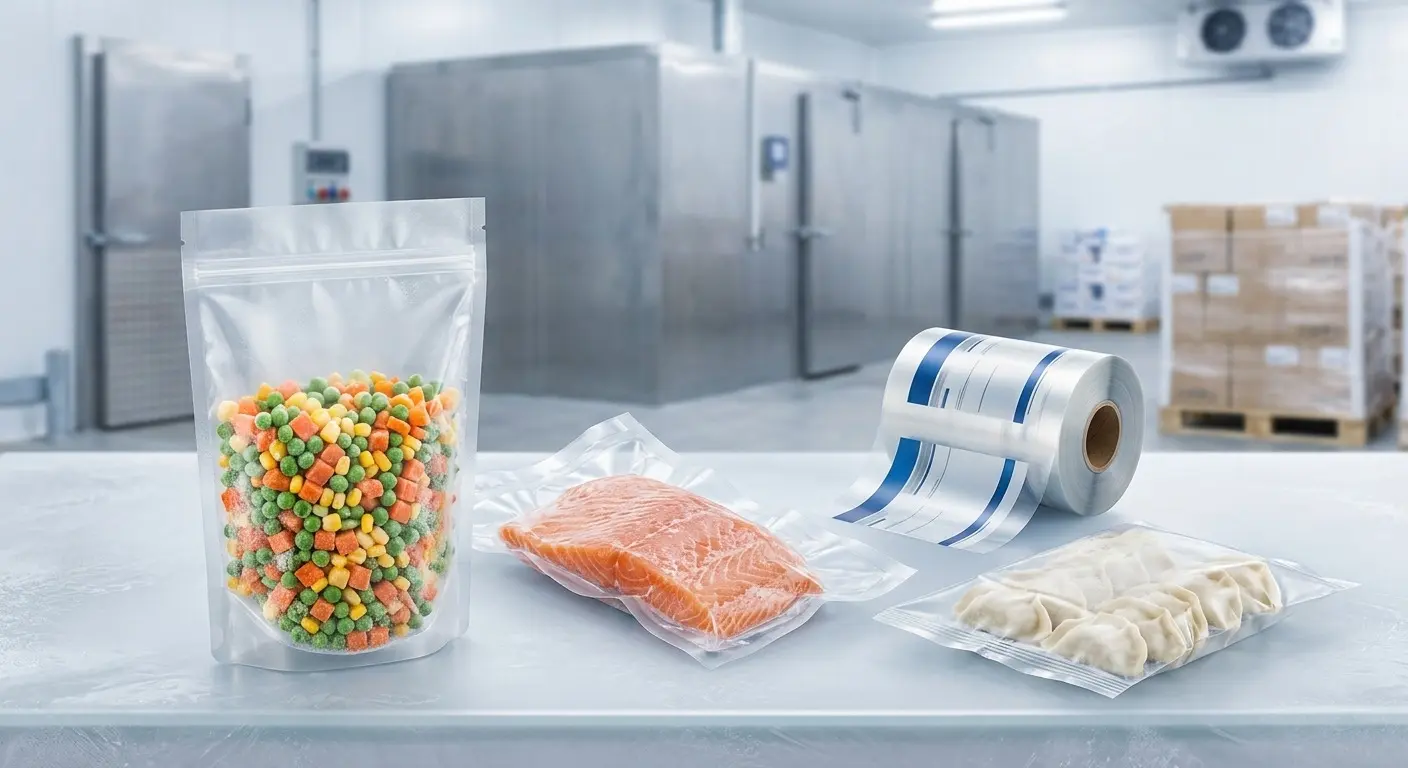
Material choice decides how well a bag resists cold, punctures and oxygen. Here are the structures buyers ask about most.
PE (Polyethylene)
PE stays flexible at low temperatures and seals well with heat. Manufacturers often use it as the inner layer of a laminate. Single-layer PE suits simple, lightweight packs.PA/PE (Nylon/Polyethylene)
PA adds toughness and puncture resistance, while PE provides the sealing layer. This structure is common in vacuum packaging plastic bag designs for meat, fish and seafood.PET/PE (Polyester/Polyethylene)
PET gives stiffness, clarity and excellent printing quality. PE handles the seal. This combination works well for printed retail pouches and flat bags.PET/AL/PE (Polyester/Aluminum/Polyethylene)
The aluminum layer gives the highest barrier against light, oxygen and moisture. These bags are opaque. Choose this structure when long shelf life or light protection matters.Ask every supplier for the layer structure and thickness in writing.
Key Features of a Good Frozen Food Bag: Barrier, Puncture Resistance and Seal Strength
Barrier Performance
A good barrier limits oxygen and water vapor. This protects flavor, color and texture over months of cold storage. Match the barrier level to your product's shelf life.Puncture and Tear Resistance
Frozen food is hard and often has sharp edges, such as bones, shells or ice. The film must resist punctures during filling, stacking and transport.Seal Strength
Seals are the most common failure point. A strong, even heat seal prevents leaks and keeps air out. Test seals after freezing, not only at room temperature.How to Choose the Right Plastic Bag for Frozen Food Packaging
Follow these steps to narrow your options before you request a quotation:1. Define the product. Note the food type, weight, shape and any sharp edges.
2. Confirm storage conditions. Record the freezing method, storage temperature and target shelf life.
3. Identify the sales channel. Retail packs need print and shelf appeal. Bulk food service packs need strength and low unit cost.
4. Check your filling method. Manual filling, vacuum machines and automatic lines each need a different format.
5. Select the material. Match PA/PE, PET/PE or PET/AL/PE to your barrier and puncture needs.
6. Set size and thickness. Avoid oversized bags that trap air.
7. Plan the printing. Prepare artwork, colors and market-specific text.
8. Approve samples. Test seals, freezer performance and appearance before mass production.
If you pack other food categories as well, see Yutop's Food Packaging Solution page for more application ideas. A well-chosen plastic bag for packaging frozen products should also suit the rest of your product range.
Best Bag for Each Product: Frozen Meat, Seafood, Vegetables, Fruit and Dumplings
• Frozen meat and poultry: Use a vacuum bag in a PA/PE structure. Choose a thicker film for bone-in cuts.• Seafood and fish: Choose a high-barrier, puncture-resistant vacuum bag. Consider an opaque PET/AL/PE bag if light exposure is a concern.
• Vegetables and fruit: A standup pouch or three side seal bag works well. A vegetable packaging plastic bag with a zipper suits consumers who reuse the pack.
• Dumplings and ready meals: Use a printed standup pouch or three side seal bag with clear cooking instructions.
• Bulk food service packs: Consider large vacuum bags or roll film for automatic lines.
How to Prevent Freezer Burn with Plastic Packaging
Freezer burn happens when frozen food loses moisture and reacts with air. It leaves dry, discolored patches and hurts taste and texture. To reduce freezer burn:• Remove as much air as possible before sealing.
• Choose a film with the right barrier for your storage time.
• Use a strong, complete seal with no wrinkles or trapped product in the seal area.
• Match the bag size to the product to limit empty space.
Are Plastic Bags for Frozen Food Safe? Food-Grade Standards and Certifications
Safety depends on the whole structure, including the film, inks and adhesives. Food grade plastic bag packaging must suit direct or indirect food contact in the destination market. Rules differ by region. For example, the United States follows FDA requirements, while the European Union applies Regulation (EC) No 1935/2004 and Regulation (EU) No 10/2011 for plastic food contact materials.Yutop offers food-grade options for its vacuum bags and three side seal bags. Because requirements change by country, tell your supplier where you will sell the product. Then ask for the documents you need. Common requests include:
• Material specification and layer structure
• Declaration of compliance for your target market
• Migration or other test reports, where the market requires them
Custom Printed Frozen Food Bags: Sizes, Printing, MOQ and Lead Time
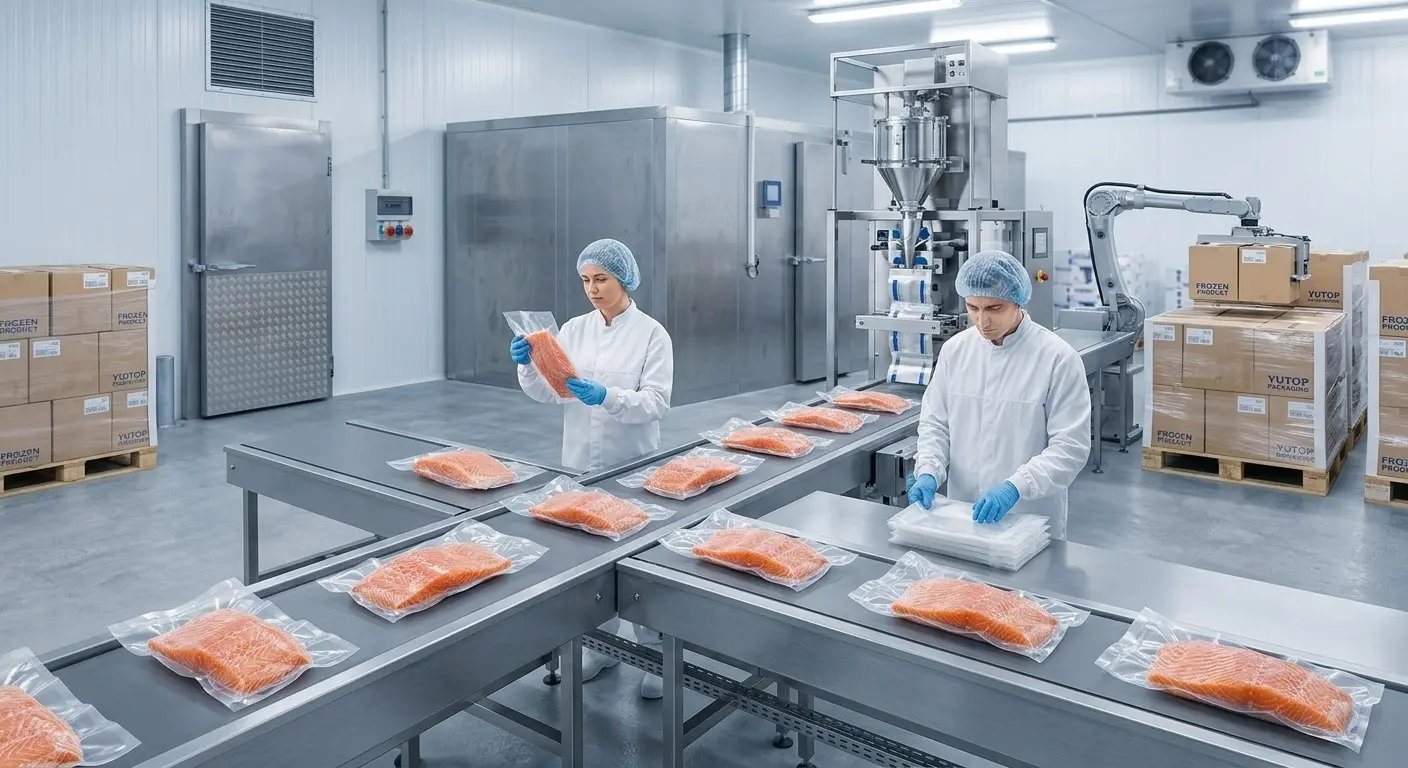
Custom packaging helps your product stand out and gives buyers the exact fit they need. Here is what you can usually customize:
• Size and shape: Width, height, gusset and opening style.
• Material and thickness: Choose the structure that fits your product and freezer conditions.
• Printing: Yutop's product pages list CMYK, flexo and gravure printing options, depending on the bag type.
• Closure: Heat seal, zipper, spout or adhesive strip, depending on the format.
Yutop's product pages list a minimum order of 500 units for custom packaging. The final MOQ can depend on bag type, material and printing, so confirm it in your quotation. Lead time depends on structure, printing method and order quantity. Your supplier should confirm it after you approve the sample.
Supplier Checklist for International Buyers
• Can the supplier explain the layer structure and thickness clearly?• Will they provide samples before mass production?
• Do they have a clear quality check process for seals, size and print?
• Can they arrange export packing, carton marking and shipping documents?
FAQs About Plastic Bags for Frozen Food Packaging
1. Which material is suitable for frozen food bags?
It depends on the product. PA/PE suits vacuum packing of meat and seafood. PET/PE suits printed retail pouches. PET/AL/PE gives the highest barrier when you need light and oxygen protection.2. Can I use normal plastic bags for frozen food?
Ordinary thin bags may tear, leak or let air in during long storage. Frozen food needs films with suitable strength, barrier and sealing performance.3. How thick should a frozen food bag be?
Thickness depends on product weight, shape and storage time. Yutop's vacuum bags can be made from 30 to 150 microns. Bone-in or sharp products need thicker, puncture-resistant films. Share your product details, and the supplier can recommend a suitable range.4. Are frozen food bags food grade?
Food-grade options are available, but you should confirm them for your target market. Ask for the material specification and any compliance documents you need before you place an order.5. What is the MOQ for custom printed frozen food bags?
Yutop's product pages list a minimum order of 500 units for custom packaging. The exact quantity depends on the bag type, material and printing, so confirm it when you request a quotation.6. What information should I send for a quotation?
Send your product type, bag type, size, preferred material or thickness, printing artwork, order quantity and target market. Include any special needs, such as a zipper, vacuum sealing or a clear window.Conclusion
Choosing the right plastic bag for frozen food packaging protects your product, your brand and your customer relationships. Focus on bag type, material structure, barrier level, seal strength and food-grade compliance. Test samples in real freezer conditions before you commit to bulk production.Yutop Packaging manufactures vacuum bags, standup pouches, three side seal bags and other flexible packaging for food and other industries. If you need a plastic packaging bag wholesale supplier for frozen food, send us your product details, size, quantity and design needs. Our team can help with material suggestions, samples, customization and a bulk quotation. Contact Us to start your inquiry.