< Back
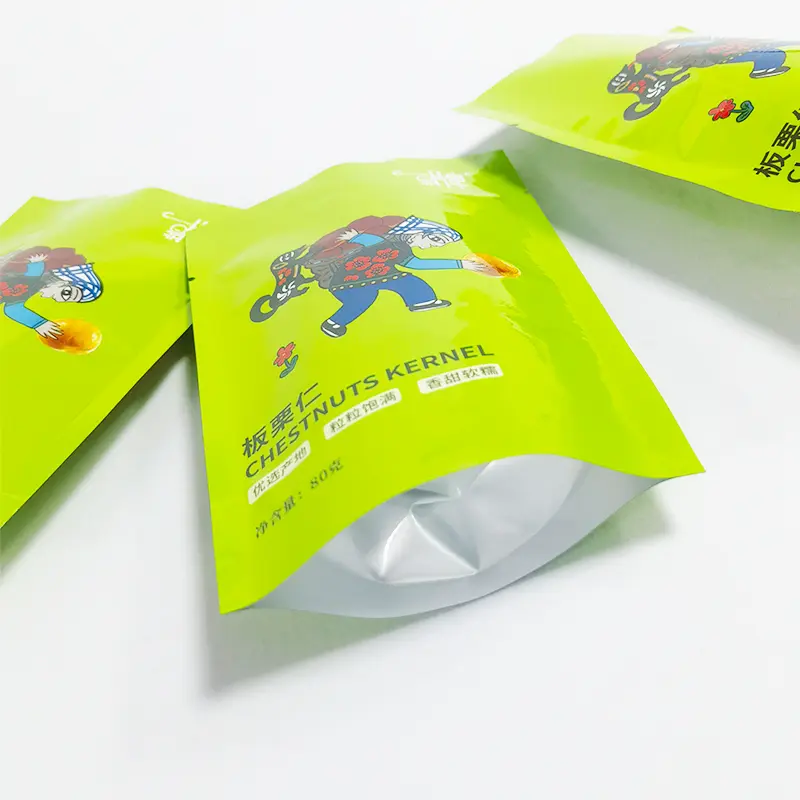
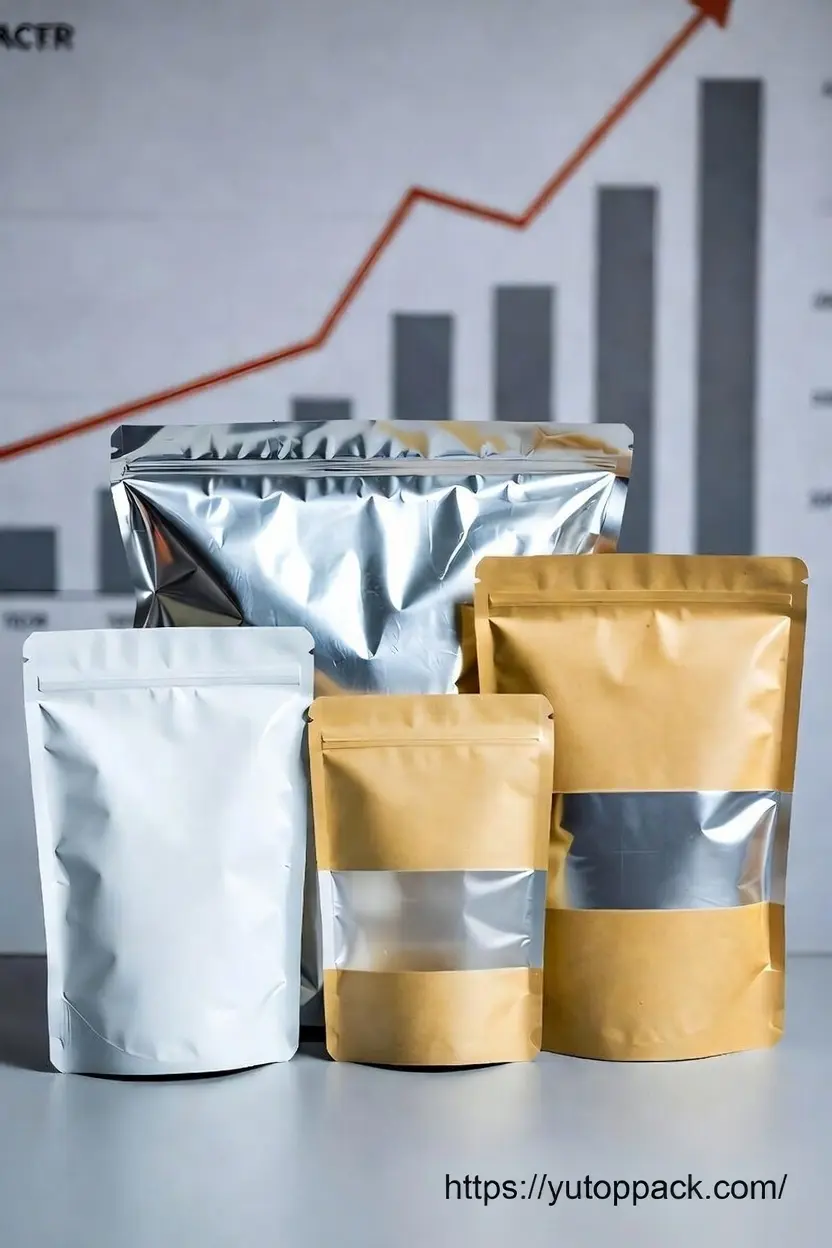
3 side seal pouch wholesale refers to the bulk supply of flat, flexible pouches sealed on three sides, with the fourth side left open for product filling and then heat-sealed. These pouches are typically made from multilayered materials such as polyethylene (PE), polyester (PET), or aluminum foil, which provide excellent barrier properties against moisture, oxygen, and light. The wholesale model makes them a cost-effective choice for food manufacturers, retailers, and distributors, as bulk purchasing reduces per-unit costs by 15–25% compared to small-batch orders. Available in sizes ranging from small sachets to large bulk pouches, they are designed for easy storage, transportation, and display.
The global 3 side seal pouches market was estimated at $1.0016 billion in 2024 and is projected to grow at a CAGR of 5.25% in the coming years, driven by rising demand for packaged food and beverages. By 2026, the market size is forecast to reach $5.3 billion, with the Asia Pacific region leading growth at a CAGR of 6.6% due to changing lifestyles and increasing consumer spending. Polyethylene accounts for 35% of the materials used in these pouches, favored for its flexibility, recyclability, and low shipping costs. Common applications include snacks, confectionery, frozen food, tea, and coffee, as the pouches’ leak-proof and moisture-resistant properties extend product shelf life by 30–50%. For example, 68% of wholesale snack manufacturers in Europe use 3 side seal pouches for their cost-effectiveness and ability to maintain product crispness.
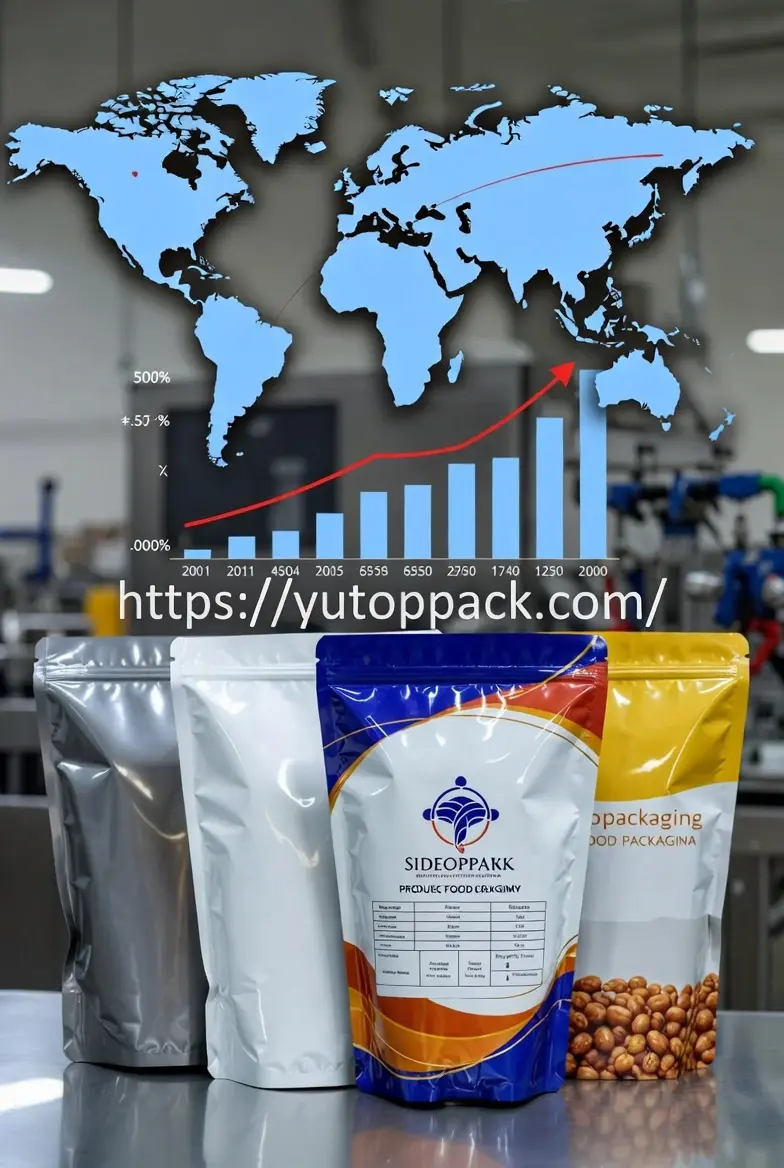
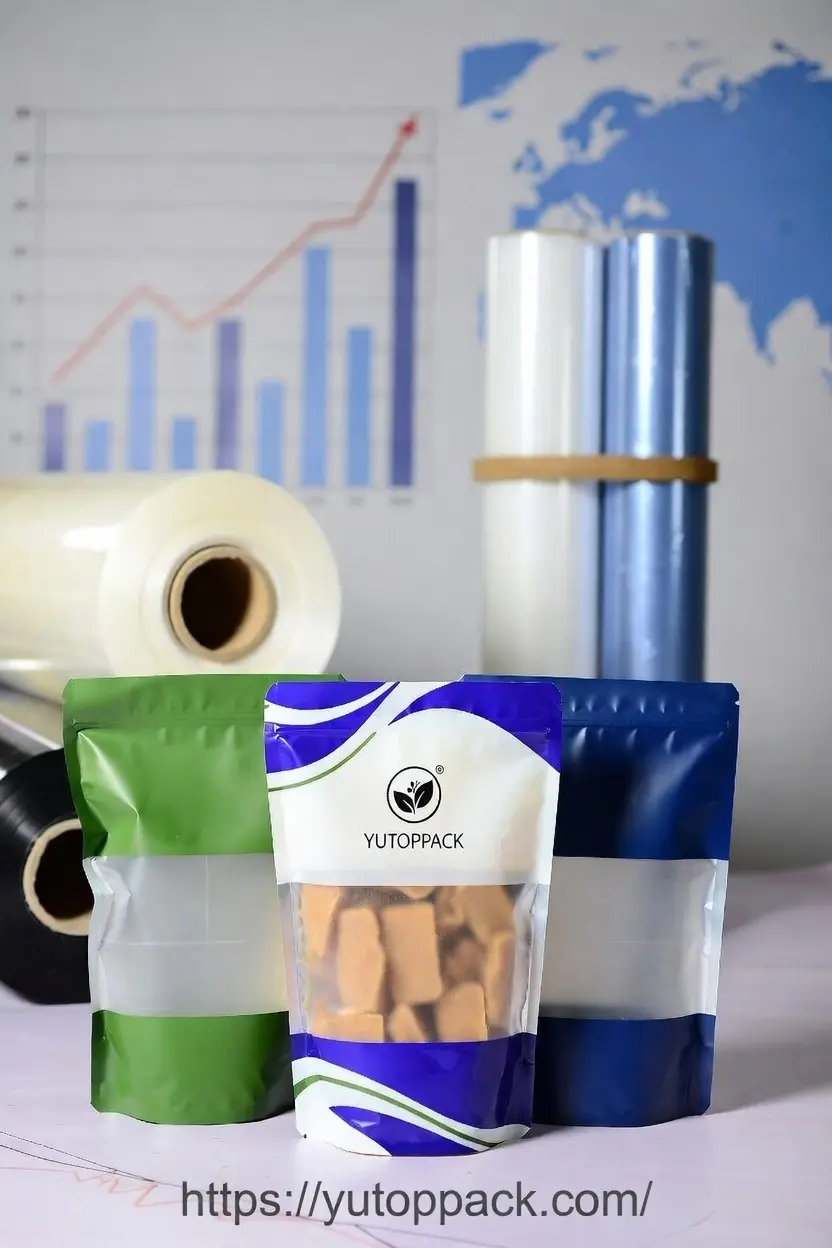
Flexible films for food packaging are thin, continuous sheets of plastic (or composite materials) with a thickness of less than 0.25 millimeters, designed to wrap, protect, and preserve food products. They are produced through extrusion or casting processes and offer a unique combination of flexibility, durability, and barrier properties. Common types include low-density polyethylene (LDPE), PET, BOPP, and nylon, each with distinct characteristics—LDPE is soft and moisture-resistant, PET is durable and heat-tolerant, and nylon provides excellent oxygen barrier. These films can be used alone or as part of multilayer structures to enhance protection and functionality.
Flexible films for food packaging dominate the food packaging industry, accounting for 40% of all food packaging materials globally. The global flexible packaging market is projected to grow at a CAGR of 5.8%, with food applications driving the largest share of demand. In 2024, the produce bag market—largely reliant on flexible films—was valued at $3.2 billion, with 65% of global fruit and vegetable production requiring flexible packaging for retail distribution. These films extend food shelf life by blocking oxygen and moisture: for example, nylon films used in vacuum-sealed meat packaging reduce spoilage by 70%, while metalized flexible films (e.g., VM PET) protect coffee and snacks from UV light. Additionally, flexible films are lightweight, reducing transportation costs by 18–22% compared to rigid packaging materials.
3 side seal pouch wholesale, custom food packaging bag, and flexible films for food packaging work in synergy to meet the diverse needs of the food industry: flexible films serve as the core material for both 3 side seal pouches and custom bags, while wholesale pouches offer cost-efficiency and custom bags provide brand differentiation. Looking ahead, sustainability will be a key driver—by 2030, 45% of flexible films will be made from biodegradable materials like PLA and PBAT, and 3 side seal pouch wholesale suppliers will increasingly offer recyclable options. With the growing demand for convenience foods and e-commerce, these packaging solutions will continue to evolve, balancing functionality, cost, and environmental responsibility to support the global food industry’s growth.
3 Side Seal Pouch Wholesale, Custom Food Packaging Bag, and Flexible Films for Food Packaging: A Gui
The Evolution and Importance of Food Packaging in the Global Market
Food packaging is a critical link between food production and consumption, serving three core functions: preserving product freshness, ensuring safety, and enhancing market appeal. With the global food packaging market valued at $421.38 billion in 2025 and projected to grow at a CAGR of 5.4% to reach $548.51 billion by 2030, the industry is constantly evolving to meet consumer demands for convenience, sustainability, and customization. Among the most widely used packaging solutions are 3 side seal pouch wholesale, custom food packaging bag, and flexible films for food packaging. This article explores their manufacturing principles, key specifications, real-world data, and industrial applications, offering a comprehensive (popular science) overview of these essential packaging components.
3 Side Seal Pouch Wholesale: Cost-Effective and Versatile for Bulk Food Packaging
What Is 3 Side Seal Pouch Wholesale?
3 side seal pouch wholesale refers to the bulk supply of flat, flexible pouches sealed on three sides, with the fourth side left open for product filling and then heat-sealed. These pouches are typically made from multilayered materials such as polyethylene (PE), polyester (PET), or aluminum foil, which provide excellent barrier properties against moisture, oxygen, and light. The wholesale model makes them a cost-effective choice for food manufacturers, retailers, and distributors, as bulk purchasing reduces per-unit costs by 15–25% compared to small-batch orders. Available in sizes ranging from small sachets to large bulk pouches, they are designed for easy storage, transportation, and display.
Key Data and Industrial Applications
The global 3 side seal pouches market was estimated at $1.0016 billion in 2024 and is projected to grow at a CAGR of 5.25% in the coming years, driven by rising demand for packaged food and beverages. By 2026, the market size is forecast to reach $5.3 billion, with the Asia Pacific region leading growth at a CAGR of 6.6% due to changing lifestyles and increasing consumer spending. Polyethylene accounts for 35% of the materials used in these pouches, favored for its flexibility, recyclability, and low shipping costs. Common applications include snacks, confectionery, frozen food, tea, and coffee, as the pouches’ leak-proof and moisture-resistant properties extend product shelf life by 30–50%. For example, 68% of wholesale snack manufacturers in Europe use 3 side seal pouches for their cost-effectiveness and ability to maintain product crispness.
Custom Food Packaging Bag: Tailored Solutions for Brand Differentiation and Functionality
What Is a Custom Food Packaging Bag?
Custom food packaging bag is a personalized packaging solution designed to meet the unique needs of specific food products, brands, and consumer preferences. Unlike standard packaging, custom bags can be customized in terms of size, shape, material, color, printing, and functional features (e.g., zippers, spouts, tear notches, or transparent windows). They are crafted to align with a brand’s identity while addressing product-specific requirements—such as high barrier protection for oily foods or microwave-safe materials for ready-to-eat meals. The customization process involves collaboration between brands and packaging manufacturers to balance aesthetics, functionality, and sustainability.Key Data and Industrial Applications
The global custom food packaging market is growing rapidly, fueled by brands’ desire to stand out in a competitive market. In 2024, the global packaging industry reached $1.22 trillion, with food packaging accounting for 62% of the market, and custom solutions capturing a significant share of this segment. A 2025 industry survey found that 73% of consumers are more likely to purchase a food product with unique, branded packaging, and custom bags can increase product sales by 20–30%. In China, the food packaging industry’s revenue exceeded 1.3 trillion yuan in 2024, with custom packaging demand growing at 8.3% annually, driven by the e-commerce and (food delivery) sectors. Applications range from high-end chocolate boxes to eco-friendly snack bags, with sustainable materials like PLA and PBAT increasingly used to meet environmental regulations.Flexible Films for Food Packaging: The Foundation of Modern Flexible Packaging