< Back
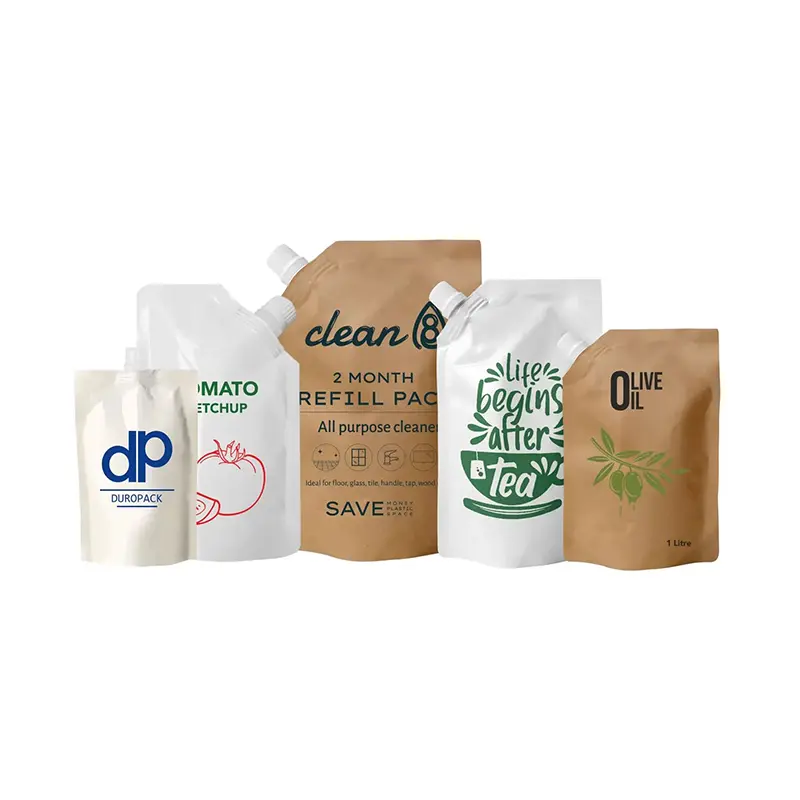
B2B procurement of custom packaging bags differs significantly from consumer-facing purchases, as it requires bulk ordering, long-term supplier partnerships, strict quality control, and adherence to both global and regional industry standards. Key considerations for buyers include minimum order quantity (MOQ), material specifications, compliance certifications, production lead time, and total cost of ownership (TCO). The following sections break down each custom packaging type, focusing on the factors that matter most to B2B procurement teams.
Custom food packaging bag is a top priority for B2B buyers in the food and beverage, catering, and retail industries. For procurement teams, the core requirements are food safety compliance, product preservation, and cost control—especially for bulk orders. The global food & beverages custom packaging market was valued at USD 13,929.9 million in 2024 and is expected to grow at a CAGR of 5.3% until 2033, reflecting the steady demand from B2B buyers.
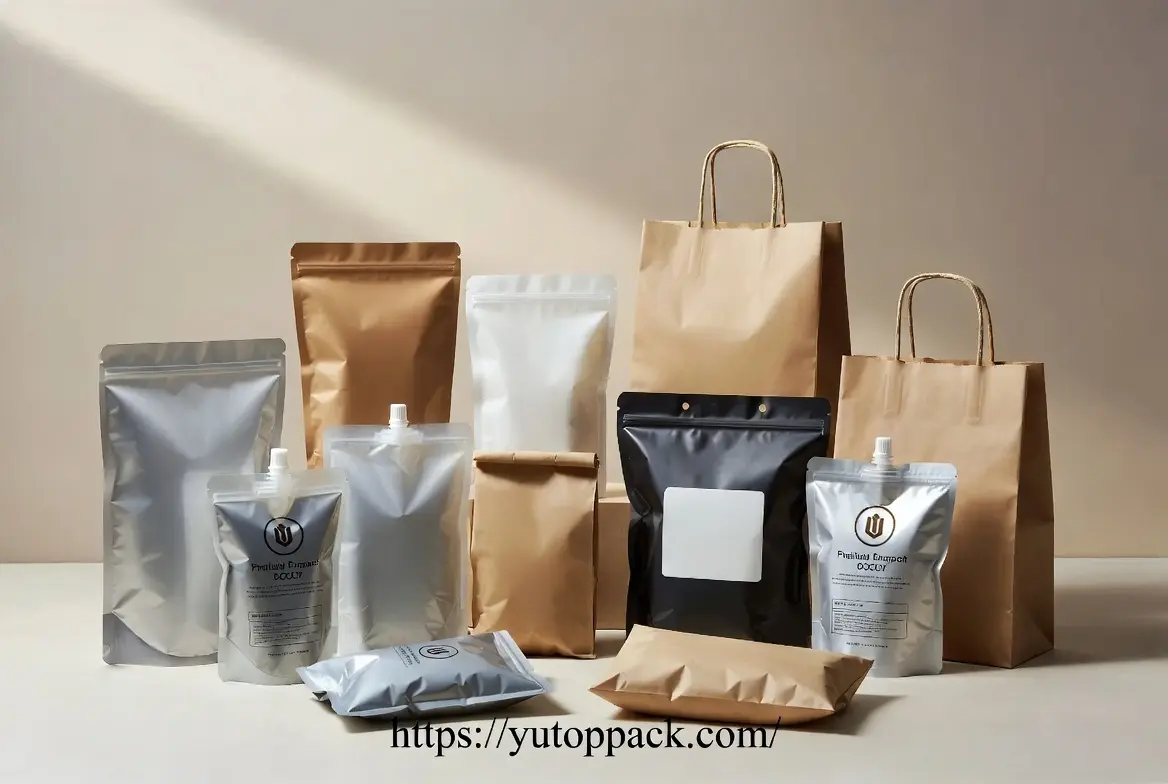
Compliance is non-negotiable for custom food packaging bag, as non-compliant products can lead to regulatory penalties, product recalls, and brand damage. B2B buyers must verify that suppliers meet global standards: FDA 21 CFR regulations in the U.S., EC 1935/2004 in the EU, and China’s GB 4806 series (2023 version) for food contact materials. Key compliance checks include material safety (no BPA, phthalates, or harmful inks), migration testing (per GB 31604 series or FDA guidelines), and production hygiene (100,000-class clean workshops per GB 31603).
From a procurement perspective, 87% of food manufacturers prioritize custom food packaging bag that meet international safety standards, while 62% of B2B buyers report that compliance certifications are a non-negotiable factor when selecting suppliers (Food Packaging Association, 2024). Cost-wise, bulk orders of 50,000+ units can reduce unit costs by 25-30% compared to small batches, making MOQ negotiation a key strategy for B2B buyers. Additionally, choosing suppliers with ISO 9001 and HACCP certifications ensures consistent quality across bulk orders.
Market data shows that Asia-Pacific is the fastest-growing market for B2B custom food packaging bag procurement, with China accounting for 38% of regional demand. B2B buyers in this region often prioritize suppliers with short lead times (7-15 days for bulk orders) and flexible customization options (e.g., moisture-resistant coatings for snacks, heat-resistant materials for hot foods).
Custom spout pouch is widely procured by B2B buyers in the food and beverage, personal care, and pet care industries, thanks to its versatility for liquid, semi-liquid, and granular products. For B2B procurement teams, the key advantages are space efficiency (reducing storage and transportation costs by 30% compared to rigid containers), sealability, and brand customization. The global spouted pouch market is expected to grow at a CAGR of 7.8% from 2024 to 2030, with custom options accounting for over 60% of B2B sales (Packaging World, 2024).
B2B buyers of custom spout pouch focus on three core factors: material durability, spout functionality, and compliance. Suppliers must provide pouches with leak-proof spouts (tested to withstand 500+ squeezes without leakage) and barrier properties tailored to the product (e.g., oxygen barrier for juices, moisture barrier for pet food). Compliance certifications such as ISO 9001 (quality management) and ASTM D 6400 (compostability) are essential for B2B buyers targeting eco-conscious markets.
Cost optimization is another key concern for B2B procurement. Data shows that B2B buyers who commit to annual contracts for custom spout pouch can secure 15-20% discounts on unit prices. Additionally, choosing suppliers with integrated production lines (from film extrusion to pouch assembly) reduces lead times and lowers TCO. For example, a leading beverage manufacturer reported a 12% reduction in packaging costs after switching to a supplier with end-to-end custom spout pouch production.
Innovation is also a priority for B2B buyers, with 72% investing in eco-friendly custom spout pouch (Sustainable Packaging Coalition, 2024). Suppliers offering plant-based plastics or compostable films align with B2B sustainability goals, while features like reusable spouts can enhance product value and reduce environmental impact—key considerations for procurement teams focused on long-term brand reputation.
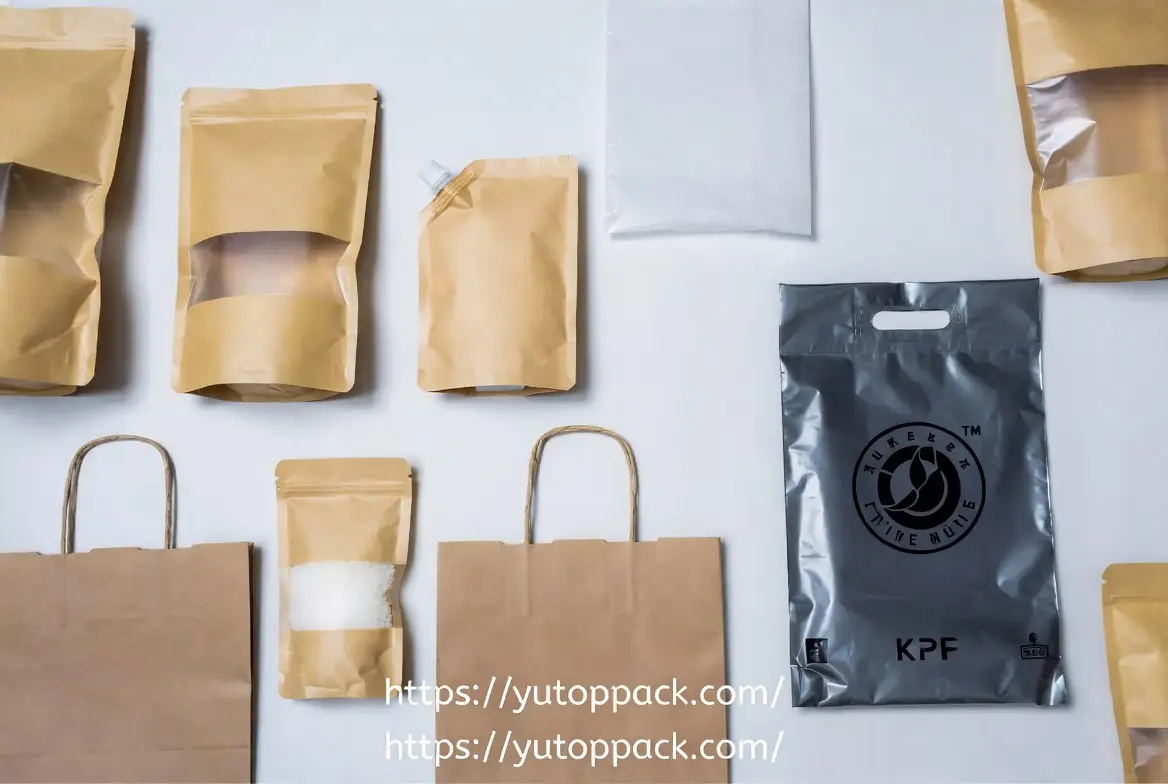
Custom kraft paper bag has become a staple for B2B procurement in retail, e-commerce, and food service, driven by global sustainability trends and consumer demand for eco-friendly packaging. The global kraft paper bag market stood at USD 4.81 billion in 2025 and is projected to reach USD 7.25 billion by 2034, with B2B sales accounting for 85% of the market (Towards Packaging Consultants, 2024). For B2B buyers, custom kraft paper bag offers a balance of sustainability, cost-efficiency, and brand visibility.
B2B procurement of custom kraft paper bag focuses on material specifications, customization options, and cost transparency. Material GSM (paper weight) is a key factor: 80-120 GSM for lightweight, cost-effective bags; 150-200 GSM for standard retail use; and 220-250 GSM for heavy-duty applications (e.g., grocery bags). Higher GSM increases unit costs but improves durability, making it a critical trade-off for procurement teams. Additionally, FSC certification (for responsibly sourced paper) is a must for B2B buyers targeting eco-conscious markets, as it enhances brand credibility.
MOQ and printing technology also impact B2B procurement decisions. Small batches (1,000-5,000 units) have the highest unit cost, while large batches (50,000+ units) offer the lowest cost per unit due to economies of scale. For printing, flexographic printing is ideal for large orders with simple designs (1-3 colors) and is more budget-friendly, while offset printing is preferred for full-color, high-quality branding—though it has higher setup costs. B2B buyers often negotiate flexible MOQs with suppliers to accommodate seasonal demand fluctuations.
The EU’s SUP ban and China’s strict environmental regulations have further boosted B2B demand for custom kraft paper bag as a replacement for single-use plastic. B2B buyers in Europe report that switching to custom kraft paper bag has helped them comply with regulations while reducing environmental fines by 40% on average. By 2027, the Asia-Pacific region is expected to account for over 42% of global B2B custom kraft paper bag procurement.
Custom plastic bags with logo remain a popular choice for B2B procurement in retail, e-commerce, and logistics, thanks to their durability, affordability, and ability to serve as mobile marketing tools. The global custom plastic packaging market is valued at USD 12.3 billion in 2024, with custom plastic bags with logo accounting for 38% of B2B sales (Plastics Industry Association, 2024). For B2B buyers, the key is to balance brand promotion, compliance, and cost control—especially amid growing environmental regulations.
Compliance with environmental regulations is a top priority for B2B buyers of custom plastic bags with logo. The EU requires all plastic bags to be recyclable by 2030, while 18 U.S. states have implemented bans or fees on single-use plastics. B2B buyers must ensure suppliers use recyclable, biodegradable, or post-consumer recycled (PCR) plastic—PCR plastic reduces carbon emissions by up to 40% compared to virgin plastic and is increasingly preferred by procurement teams (EPA, 2024). Additionally, printing inks must be water-based to meet VOC limits (≤5% by weight) per government procurement standards.
Brand visibility and cost efficiency are also critical for B2B procurement. 76% of retailers report that custom plastic bags with logo help increase brand recognition, making logo printing quality a key supplier evaluation factor (National Retail Federation, 2024). B2B buyers can reduce costs by negotiating bulk discounts: orders of 100,000+ units typically lower unit costs by 20-25%. They must also avoid "hidden costs" such as thin, low-quality bags that tear easily—leading to repeat purchases and higher TCO.
Supplier reliability is another key consideration for B2B procurement. Buyers should prioritize suppliers with consistent production capacity, short lead times (5-10 days for bulk orders), and the ability to provide test reports for material safety and compliance. For example, a major e-commerce platform requires all custom plastic bags with logo suppliers to provide CMA/CNAS-certified test reports to ensure compliance with national standards.
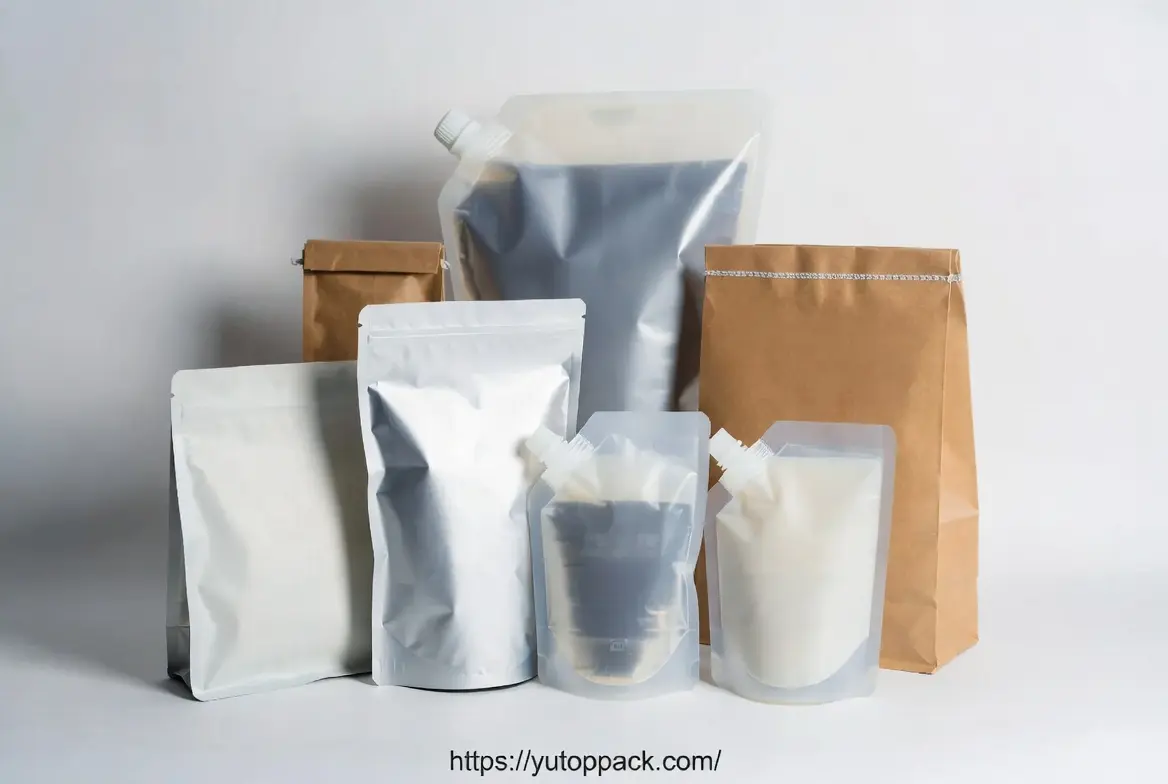
For B2B procurement professionals, selecting the right custom packaging bags—whether custom food packaging bag, custom spout pouch, custom kraft paper bag, or custom plastic bags with logo—requires a holistic approach that balances compliance, cost, quality, and sustainability. Key best practices include: verifying supplier certifications (ISO, FDA, FSC), negotiating flexible MOQs and long-term contracts for cost savings, prioritizing suppliers with end-to-end production capabilities to reduce lead times, and aligning packaging choices with brand sustainability goals.
With the global custom packaging market projected to grow steadily, B2B buyers who stay informed about industry standards, market trends, and cost optimization strategies will be better positioned to make strategic procurement decisions. By focusing on the unique needs of their industry and leveraging data-driven insights, procurement teams can select custom packaging solutions that protect products, enhance brand value, and support long-term business growth—all while maintaining compliance and controlling costs.
Custom Packaging Bags for B2B Procurement: Standards, Data and Procurement Guidelines
B2B Procurement Guide: Custom Packaging Bags That Meet Industry Standards and Cost-Efficiency
For B2B procurement professionals, selecting the right custom packaging solutions is critical to balancing product protection, brand promotion, regulatory compliance, and cost control. According to Grand View Research, the global custom packaging market size was estimated at USD 37.89 billion in 2024 and is projected to reach USD 59.62 billion by 2033, growing at a CAGR of 5.2% from 2025 to 2033. Among the most in-demand products for B2B procurement are custom food packaging bag, custom spout pouch, custom kraft paper bag, and custom plastic bags with logo. This article provides data-driven insights, industry standards, and practical procurement tips for each category, helping B2B buyers make informed decisions that align with their business needs, compliance requirements, and budget goals.B2B procurement of custom packaging bags differs significantly from consumer-facing purchases, as it requires bulk ordering, long-term supplier partnerships, strict quality control, and adherence to both global and regional industry standards. Key considerations for buyers include minimum order quantity (MOQ), material specifications, compliance certifications, production lead time, and total cost of ownership (TCO). The following sections break down each custom packaging type, focusing on the factors that matter most to B2B procurement teams.
Custom Food Packaging Bag: B2B Procurement Focus on Safety, Compliance and Cost-Efficiency
Custom food packaging bag is a top priority for B2B buyers in the food and beverage, catering, and retail industries. For procurement teams, the core requirements are food safety compliance, product preservation, and cost control—especially for bulk orders. The global food & beverages custom packaging market was valued at USD 13,929.9 million in 2024 and is expected to grow at a CAGR of 5.3% until 2033, reflecting the steady demand from B2B buyers.
Industry Standards and B2B Procurement Checklist for Custom Food Packaging Bag
Compliance is non-negotiable for custom food packaging bag, as non-compliant products can lead to regulatory penalties, product recalls, and brand damage. B2B buyers must verify that suppliers meet global standards: FDA 21 CFR regulations in the U.S., EC 1935/2004 in the EU, and China’s GB 4806 series (2023 version) for food contact materials. Key compliance checks include material safety (no BPA, phthalates, or harmful inks), migration testing (per GB 31604 series or FDA guidelines), and production hygiene (100,000-class clean workshops per GB 31603).From a procurement perspective, 87% of food manufacturers prioritize custom food packaging bag that meet international safety standards, while 62% of B2B buyers report that compliance certifications are a non-negotiable factor when selecting suppliers (Food Packaging Association, 2024). Cost-wise, bulk orders of 50,000+ units can reduce unit costs by 25-30% compared to small batches, making MOQ negotiation a key strategy for B2B buyers. Additionally, choosing suppliers with ISO 9001 and HACCP certifications ensures consistent quality across bulk orders.
Market data shows that Asia-Pacific is the fastest-growing market for B2B custom food packaging bag procurement, with China accounting for 38% of regional demand. B2B buyers in this region often prioritize suppliers with short lead times (7-15 days for bulk orders) and flexible customization options (e.g., moisture-resistant coatings for snacks, heat-resistant materials for hot foods).
Custom Spout Pouch: B2B Procurement for Versatility and Supply Chain Efficiency
Custom spout pouch is widely procured by B2B buyers in the food and beverage, personal care, and pet care industries, thanks to its versatility for liquid, semi-liquid, and granular products. For B2B procurement teams, the key advantages are space efficiency (reducing storage and transportation costs by 30% compared to rigid containers), sealability, and brand customization. The global spouted pouch market is expected to grow at a CAGR of 7.8% from 2024 to 2030, with custom options accounting for over 60% of B2B sales (Packaging World, 2024).
B2B Procurement Considerations for Custom Spout Pouch
B2B buyers of custom spout pouch focus on three core factors: material durability, spout functionality, and compliance. Suppliers must provide pouches with leak-proof spouts (tested to withstand 500+ squeezes without leakage) and barrier properties tailored to the product (e.g., oxygen barrier for juices, moisture barrier for pet food). Compliance certifications such as ISO 9001 (quality management) and ASTM D 6400 (compostability) are essential for B2B buyers targeting eco-conscious markets.Cost optimization is another key concern for B2B procurement. Data shows that B2B buyers who commit to annual contracts for custom spout pouch can secure 15-20% discounts on unit prices. Additionally, choosing suppliers with integrated production lines (from film extrusion to pouch assembly) reduces lead times and lowers TCO. For example, a leading beverage manufacturer reported a 12% reduction in packaging costs after switching to a supplier with end-to-end custom spout pouch production.
Innovation is also a priority for B2B buyers, with 72% investing in eco-friendly custom spout pouch (Sustainable Packaging Coalition, 2024). Suppliers offering plant-based plastics or compostable films align with B2B sustainability goals, while features like reusable spouts can enhance product value and reduce environmental impact—key considerations for procurement teams focused on long-term brand reputation.
Custom Kraft Paper Bag: B2B Procurement for Sustainability and Brand Authenticity
Custom kraft paper bag has become a staple for B2B procurement in retail, e-commerce, and food service, driven by global sustainability trends and consumer demand for eco-friendly packaging. The global kraft paper bag market stood at USD 4.81 billion in 2025 and is projected to reach USD 7.25 billion by 2034, with B2B sales accounting for 85% of the market (Towards Packaging Consultants, 2024). For B2B buyers, custom kraft paper bag offers a balance of sustainability, cost-efficiency, and brand visibility.
B2B Procurement Factors for Custom Kraft Paper Bag
B2B procurement of custom kraft paper bag focuses on material specifications, customization options, and cost transparency. Material GSM (paper weight) is a key factor: 80-120 GSM for lightweight, cost-effective bags; 150-200 GSM for standard retail use; and 220-250 GSM for heavy-duty applications (e.g., grocery bags). Higher GSM increases unit costs but improves durability, making it a critical trade-off for procurement teams. Additionally, FSC certification (for responsibly sourced paper) is a must for B2B buyers targeting eco-conscious markets, as it enhances brand credibility.MOQ and printing technology also impact B2B procurement decisions. Small batches (1,000-5,000 units) have the highest unit cost, while large batches (50,000+ units) offer the lowest cost per unit due to economies of scale. For printing, flexographic printing is ideal for large orders with simple designs (1-3 colors) and is more budget-friendly, while offset printing is preferred for full-color, high-quality branding—though it has higher setup costs. B2B buyers often negotiate flexible MOQs with suppliers to accommodate seasonal demand fluctuations.
The EU’s SUP ban and China’s strict environmental regulations have further boosted B2B demand for custom kraft paper bag as a replacement for single-use plastic. B2B buyers in Europe report that switching to custom kraft paper bag has helped them comply with regulations while reducing environmental fines by 40% on average. By 2027, the Asia-Pacific region is expected to account for over 42% of global B2B custom kraft paper bag procurement.
Custom Plastic Bags with Logo: B2B Procurement for Brand Visibility and Practicality
Custom plastic bags with logo remain a popular choice for B2B procurement in retail, e-commerce, and logistics, thanks to their durability, affordability, and ability to serve as mobile marketing tools. The global custom plastic packaging market is valued at USD 12.3 billion in 2024, with custom plastic bags with logo accounting for 38% of B2B sales (Plastics Industry Association, 2024). For B2B buyers, the key is to balance brand promotion, compliance, and cost control—especially amid growing environmental regulations.
B2B Procurement Guidelines for Custom Plastic Bags with Logo
Compliance with environmental regulations is a top priority for B2B buyers of custom plastic bags with logo. The EU requires all plastic bags to be recyclable by 2030, while 18 U.S. states have implemented bans or fees on single-use plastics. B2B buyers must ensure suppliers use recyclable, biodegradable, or post-consumer recycled (PCR) plastic—PCR plastic reduces carbon emissions by up to 40% compared to virgin plastic and is increasingly preferred by procurement teams (EPA, 2024). Additionally, printing inks must be water-based to meet VOC limits (≤5% by weight) per government procurement standards.Brand visibility and cost efficiency are also critical for B2B procurement. 76% of retailers report that custom plastic bags with logo help increase brand recognition, making logo printing quality a key supplier evaluation factor (National Retail Federation, 2024). B2B buyers can reduce costs by negotiating bulk discounts: orders of 100,000+ units typically lower unit costs by 20-25%. They must also avoid "hidden costs" such as thin, low-quality bags that tear easily—leading to repeat purchases and higher TCO.
Supplier reliability is another key consideration for B2B procurement. Buyers should prioritize suppliers with consistent production capacity, short lead times (5-10 days for bulk orders), and the ability to provide test reports for material safety and compliance. For example, a major e-commerce platform requires all custom plastic bags with logo suppliers to provide CMA/CNAS-certified test reports to ensure compliance with national standards.
B2B Procurement Best Practices for Custom Packaging Bags
For B2B procurement professionals, selecting the right custom packaging bags—whether custom food packaging bag, custom spout pouch, custom kraft paper bag, or custom plastic bags with logo—requires a holistic approach that balances compliance, cost, quality, and sustainability. Key best practices include: verifying supplier certifications (ISO, FDA, FSC), negotiating flexible MOQs and long-term contracts for cost savings, prioritizing suppliers with end-to-end production capabilities to reduce lead times, and aligning packaging choices with brand sustainability goals.
With the global custom packaging market projected to grow steadily, B2B buyers who stay informed about industry standards, market trends, and cost optimization strategies will be better positioned to make strategic procurement decisions. By focusing on the unique needs of their industry and leveraging data-driven insights, procurement teams can select custom packaging solutions that protect products, enhance brand value, and support long-term business growth—all while maintaining compliance and controlling costs.