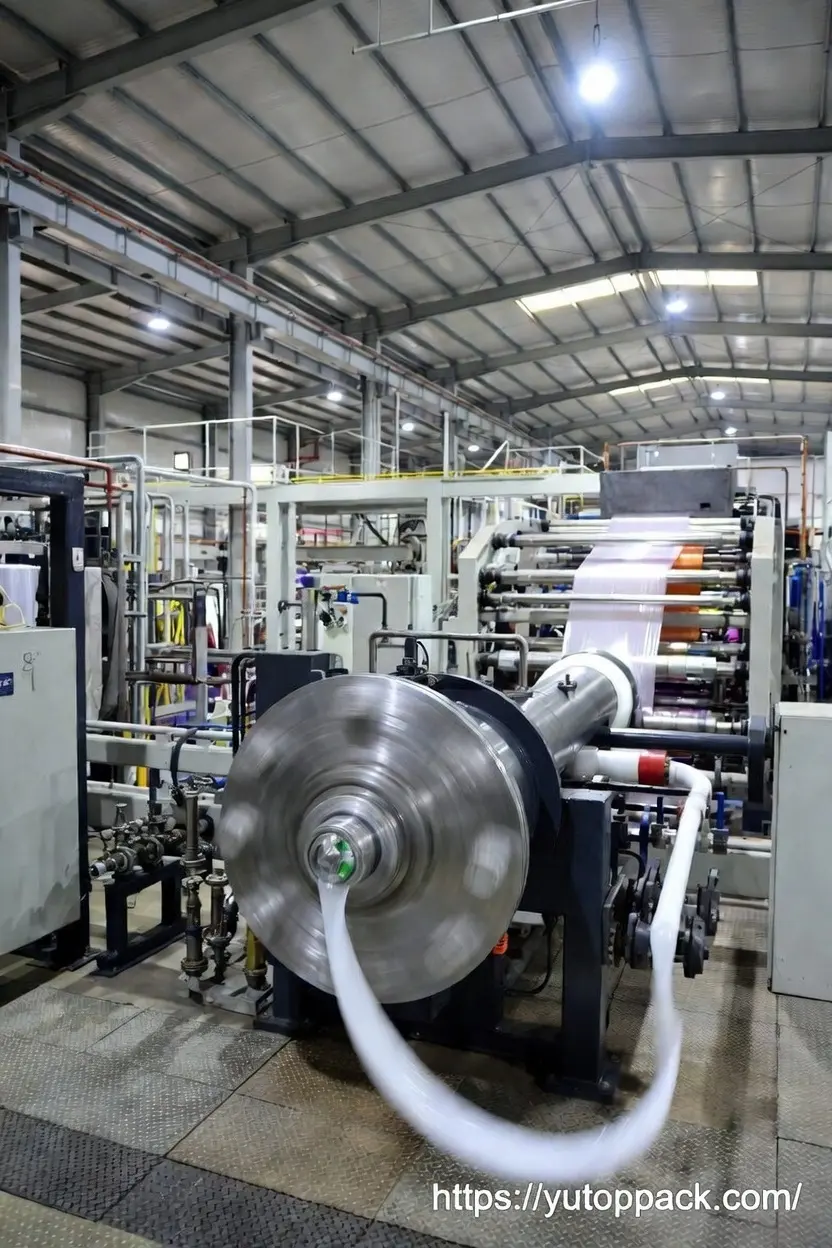
Flexible Packaging Films: The Backbone of Modern Food and Consumer Packaging
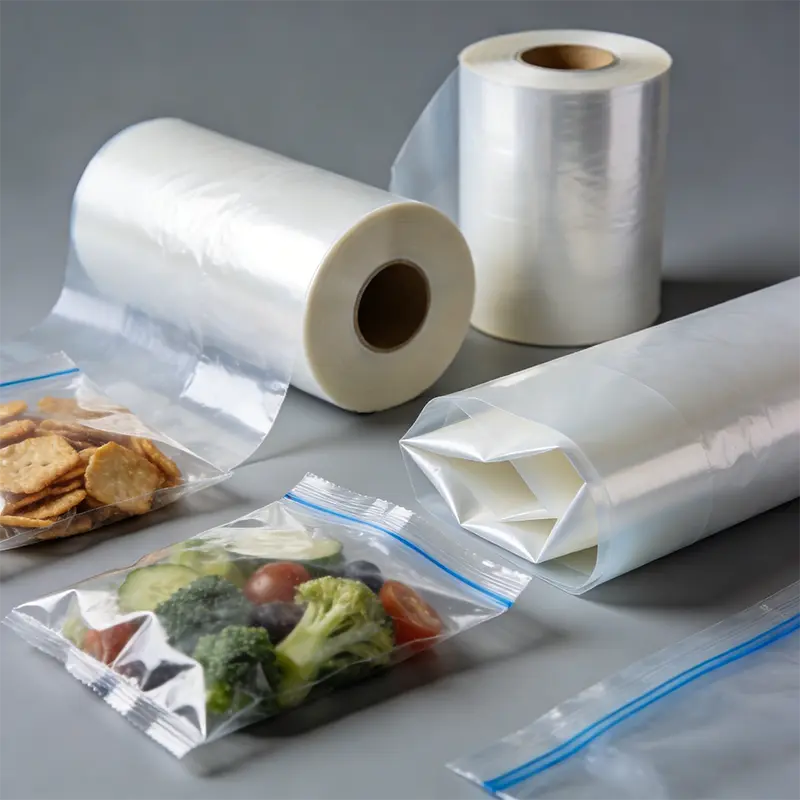
In today’s fast-paced consumer goods industry, flexible packaging films manufacturers play an irreplaceable role in delivering safe, durable, and cost-effective packaging solutions across the globe. Unlike rigid packaging formats such as glass, metal cans, and hard plastic containers, plastic films in flexible packaging offer unmatched versatility, lightweight design, and protective performance, making them the top choice for brands, retailers, and consumers alike. Among the most critical applications, plastic film packaging for food stands out as a cornerstone of food safety, shelf-life extension, and supply chain efficiency, addressing pressing global challenges like food waste and distribution logistics. This article explores the industry landscape, technical fundamentals, and food-centric applications of flexible plastic packaging films, backed by credible market data and industry standards.
Global Market Overview of Flexible Packaging Films Manufacturers
The flexible packaging films industry is a high-growth, globally integrated sector driven by rising demand for convenience foods, e-commerce expansion, and sustainable packaging innovations. According to DataHorizzon Research, the global flexible packaging films market reached a valuation of USD 145.8 billion in 2024 and is projected to surge to USD 218.7 billion by 2033, growing at a compound annual growth rate (CAGR) of 4.6%. This robust expansion reflects the widespread adoption of plastic films in flexible packaging across food, pharmaceuticals, personal care, and industrial sectors.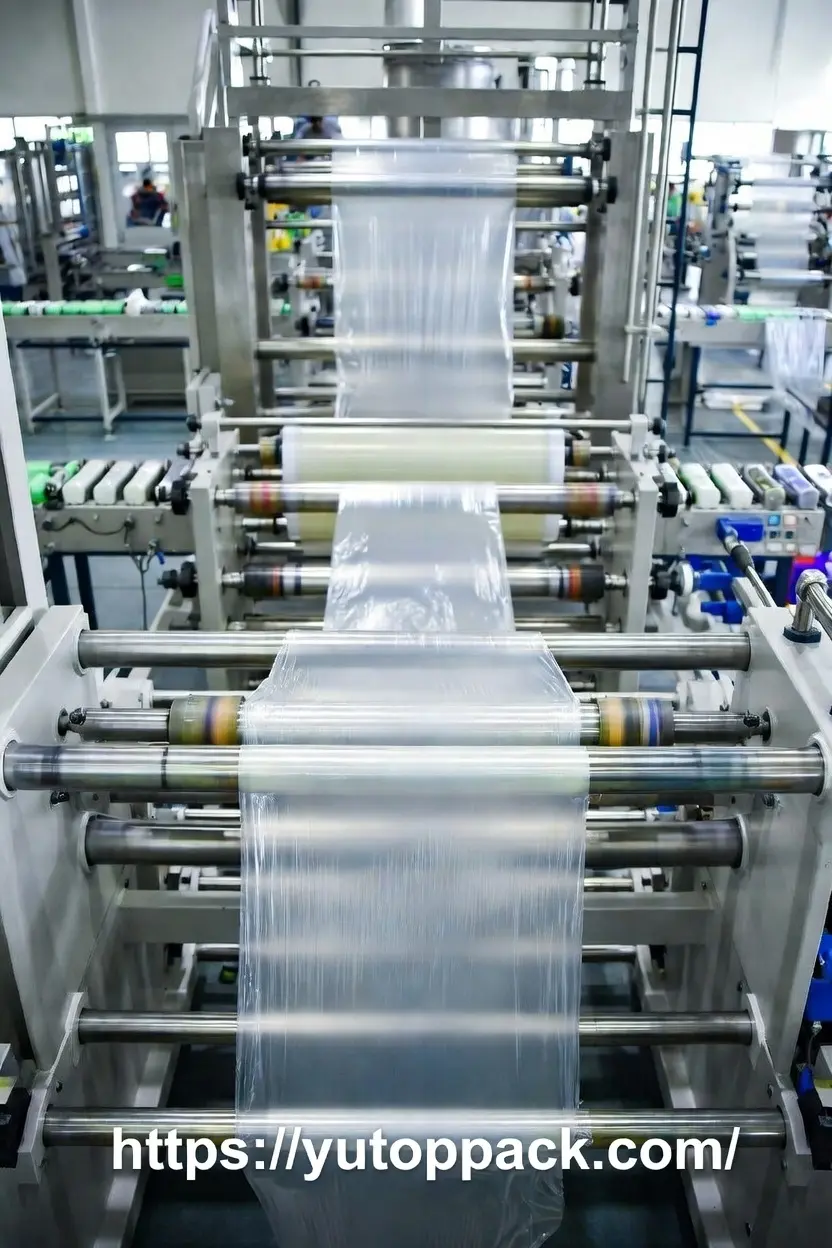
Key Segments and Regional Dominance
Asia Pacific leads the global market as the largest and fastest-growing region, with a 2024 market size of USD 48.9 billion, fueled by rapid urbanization, a booming middle class, and extensive food processing infrastructure. North America and Europe follow closely, valued at USD 42.3 billion and USD 38.7 billion respectively, driven by strict food safety regulations and a strong focus on sustainable packaging solutions. Flexible packaging films manufacturers operate across a spectrum of scales, from multinational giants like Amcor, Berry Global, and Mondi to specialized regional producers catering to niche markets and local brand needs.
Core Manufacturing Technologies
Reputable flexible packaging films manufacturers rely on two primary production techniques to engineer high-performance films: blown film extrusion and cast film extrusion. Blown film extrusion is ideal for creating durable, flexible films with excellent tensile strength, commonly used for general-purpose packaging; this process produces films with balanced barrier properties and versatility. Cast film extrusion, by contrast, delivers smoother, more uniform films with superior clarity and printability, making it perfect for premium plastic film packaging for food and branded consumer goods. Many manufacturers also produce multi-layer co-extruded films, combining different polymer resins to create custom barrier, heat-seal, and puncture-resistant properties tailored to specific applications.
Plastic Films in Flexible Packaging: Material Science and Functional Benefits
Plastic films in flexible packaging are not one-size-fits-all products; they are engineered from specialized polymer materials to meet distinct performance requirements. The most widely used polymers include polyethylene (PE), polypropylene (PP), polyethylene terephthalate (PET), and polyamide (PA), each offering unique advantages that make flexible packaging far more efficient than traditional rigid alternatives.
Material Breakdown and Performance Traits
• Polyethylene (PE): The most dominant material, accounting for ~45% of the market, PE films (LDPE, LLDPE, HDPE) provide exceptional moisture resistance, flexibility, and heat-sealability. They are lightweight and cost-effective, reducing transportation carbon footprints by up to 70% compared to rigid packaging.• Polypropylene (PP): Making up ~25% of the market, BOPP and CPP films offer high clarity, stiffness, and heat resistance, ideal for packaging snacks, baked goods, and frozen foods that require visual appeal and thermal stability.
• PET & Polyamide (PA): These high-barrier films excel at blocking oxygen, light, and odors, critical for preserving perishable foods and extending shelf life. They are commonly used in meat, dairy, and ready-to-eat meal packaging.
Sustainability and Regulatory Compliance
Modern flexible packaging films manufacturers are prioritizing sustainability to address global plastic waste concerns. Innovations include recyclable mono-material films, biodegradable biopolymer blends, and post-consumer recycled (PCR) content integration. The industry also adheres to strict regulatory standards, such as the U.S. FDA’s 21 CFR Part 177 regulations for food contact materials and the EU’s Circular Economy Action Plan, ensuring plastic films in flexible packaging are safe, eco-friendly, and compliant with global waste reduction mandates.
Plastic Film Packaging for Food: Safety, Preservation, and Industry Impact
Plastic film packaging for food is the largest application segment, representing over 65% of total flexible packaging films consumption. This dominance stems from its unparalleled ability to protect food from contamination, extend shelf life, reduce food waste, and maintain nutritional quality—critical goals in a world where 30-40% of the global food supply is lost to spoilage, per USDA data.
Critical Food Safety and Preservation Features
Food-grade plastic films are engineered to meet stringent safety standards, with zero migration of harmful chemicals into food products. Manufacturers conduct rigorous testing to comply with FDA, EFSA, and national food safety regulations, ensuring films are free from PFAS, phthalates, and other hazardous substances. Beyond safety, these films deliver targeted protective properties:• Oxygen and Moisture Barriers: Prevent oxidation and mold growth, keeping fresh produce, meat, and dairy products edible for 2-5 times longer than unpackaged alternatives.
• Tamper Evidence and Hygiene: Sealed flexible film packaging protects food from cross-contamination during shipping, storage, and retail display, aligning with global food hygiene protocols.
• Temperature Resistance: Films designed for frozen, refrigerated, and microwaveable use adapt to diverse food storage and preparation needs, enhancing consumer convenience.