< Back
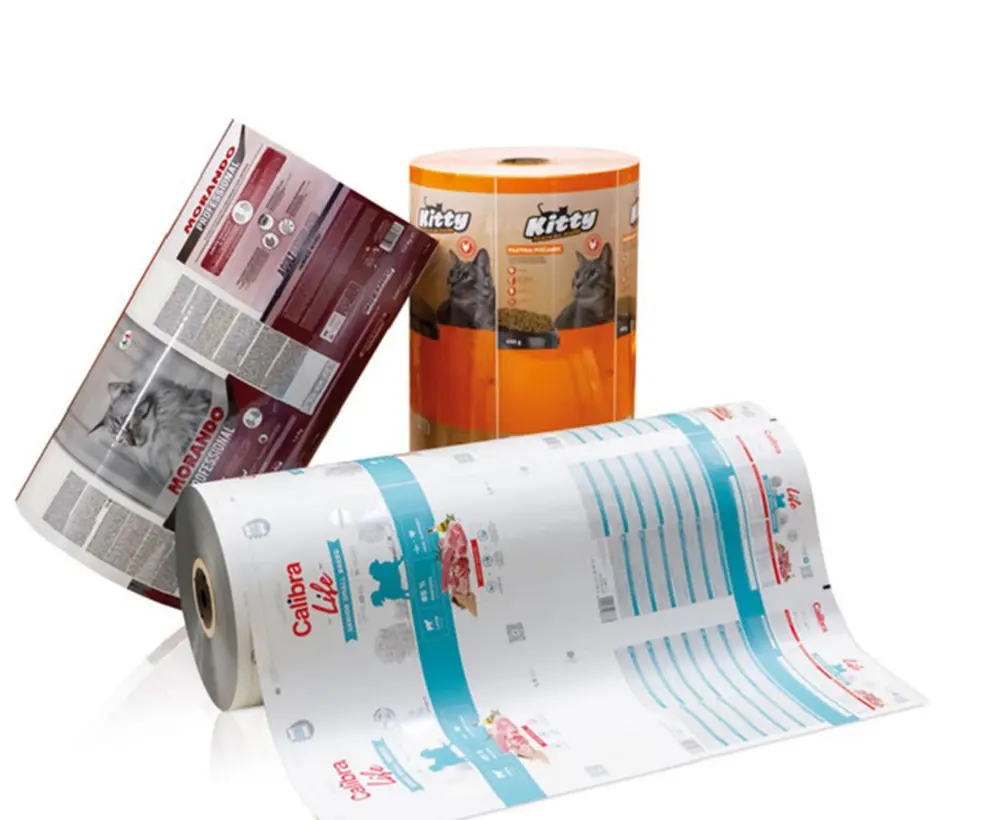
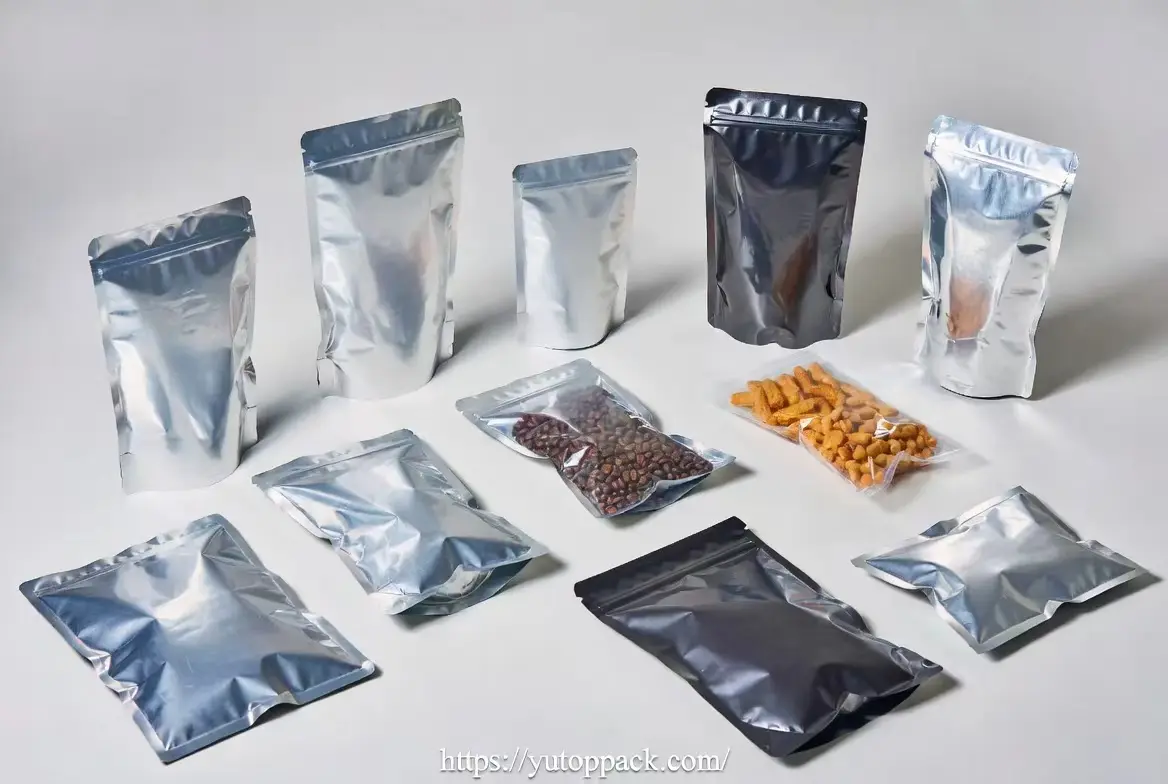
Plastic films in flexible packaging are thin polymer-based layers that can bend, fold, seal, and wrap around products. Unlike rigid packaging such as bottles, jars, cans, or boxes, flexible film packaging uses less material and can be made into rolls, pouches, sachets, bags, wrappers, and laminated structures.
These films are commonly supplied as:
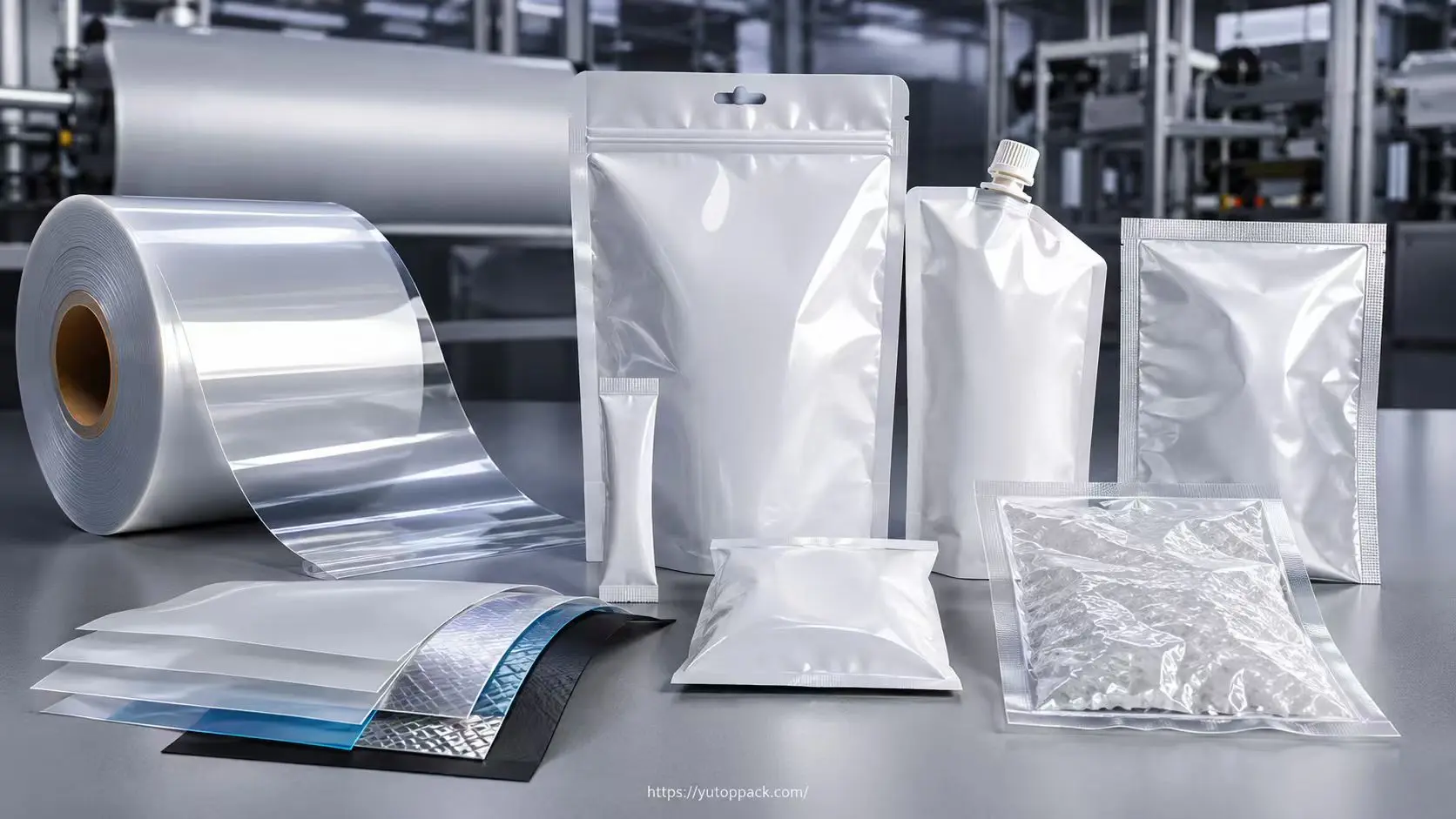
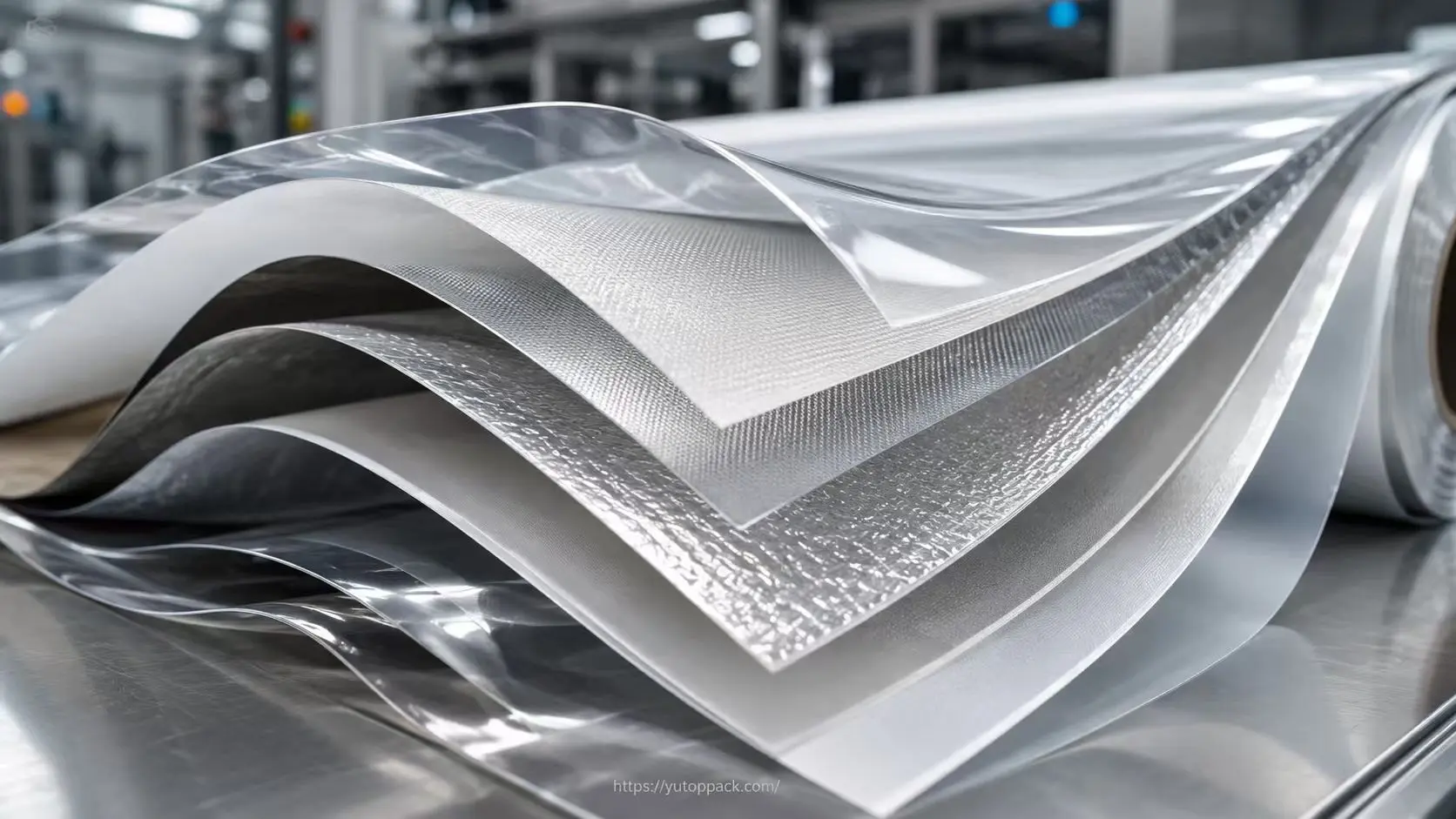
Plastic films play an important role because modern products need packaging that is light, strong, safe, attractive, and cost-efficient. Good flexible film packaging helps protect the product from oxygen, moisture, dust, light, oil, aroma loss, and outside contamination.
For food brands, the right film can help maintain freshness and reduce product waste. For retail products, printed plastic film packaging can improve shelf appeal and brand recognition. For industrial products, strong laminated films can reduce damage during storage and shipping.
Plastic films are also popular because they work well with high-speed filling and sealing machines. This is important for factories that need stable production, consistent sealing, and smooth packaging line performance.
In short, plastic films in flexible packaging support three major goals: product protection, brand presentation, and production efficiency.
Different products require different film types. Some products need high clarity. Some need strong sealing. Some need oxygen barrier. Others need puncture resistance or heat resistance.
A reliable flexible packaging film supplier should not only sell one material. They should help buyers choose the right film structure based on the product’s shelf life, packaging machine, storage condition, and target market.
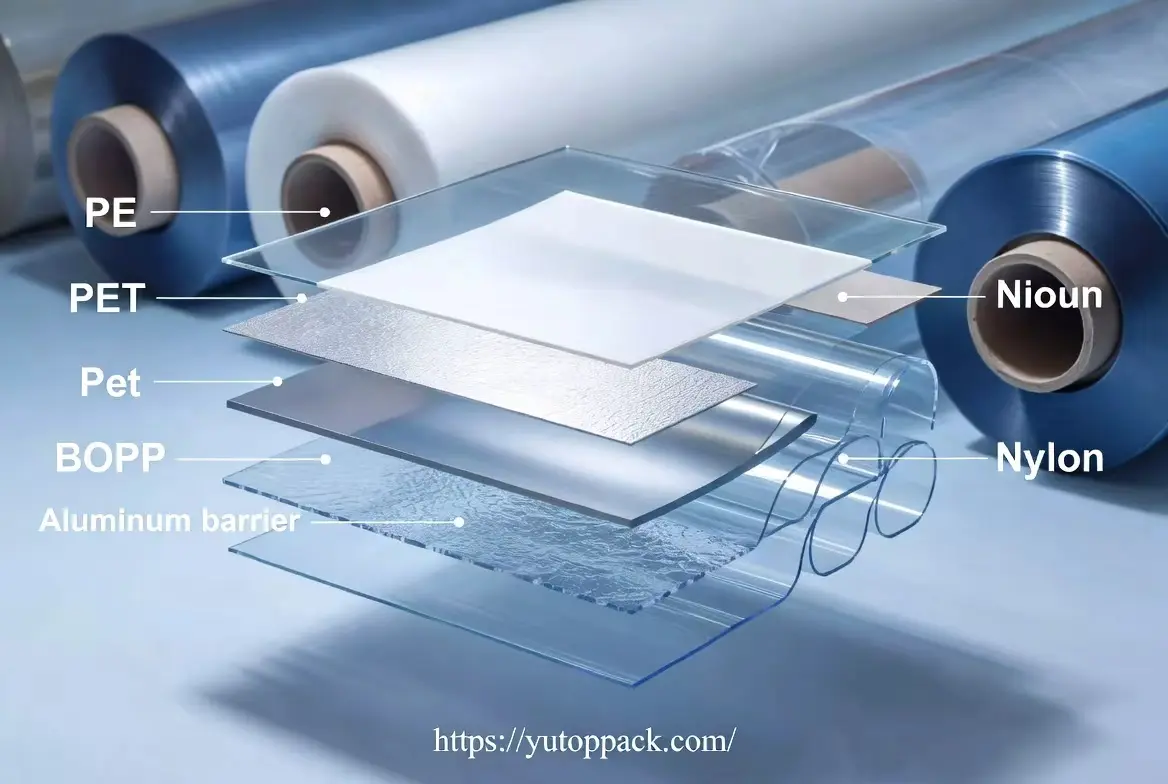
PE film, also called polyethylene film, is one of the most common flexible packaging films. It offers good flexibility, moisture resistance, and sealing performance. PE is often used as the inner sealing layer in laminated structures.
PET film is strong, stable, and heat-resistant. It is often used as an outer layer in laminated plastic films because it supports printing and improves mechanical strength. PET is suitable for products that need strong structure and good appearance.
BOPP film is known for its high clarity, stiffness, and good printability. It is widely used in snack packaging, candy packaging, labels, and overwrap films. BOPP is a good option when the brand needs a clean and attractive retail display.
CPP film provides excellent heat-sealing performance. It is often used as a sealant layer in flexible film packaging. CPP can work well in food packaging, retort packaging, and laminated packaging structures.
Nylon film, also called PA film, offers strong puncture resistance and good oxygen barrier performance. It is suitable for vacuum bags, meat packaging, seafood packaging, cheese packaging, and products with sharp edges or heavy contents.
Each material has a different role. In many cases, one single film cannot meet all requirements. That is why flexible packaging companies often combine several materials into one laminated structure.
Plastic films in flexible packaging can be single-layer or multi-layer. The choice depends on product needs, budget, machine type, and shelf-life requirements.
Single-layer films are suitable for simple wrapping or basic packaging. Multi-layer films are better when the product needs moisture barrier, oxygen barrier, aroma protection, oil resistance, or longer shelf life.
For example, a snack package may need an outer printable layer, a middle barrier layer, and an inner heat-seal layer. A coffee pouch may need aluminum foil or metallized film to protect aroma and block light. A vacuum bag may need nylon for puncture resistance and PE for sealing.
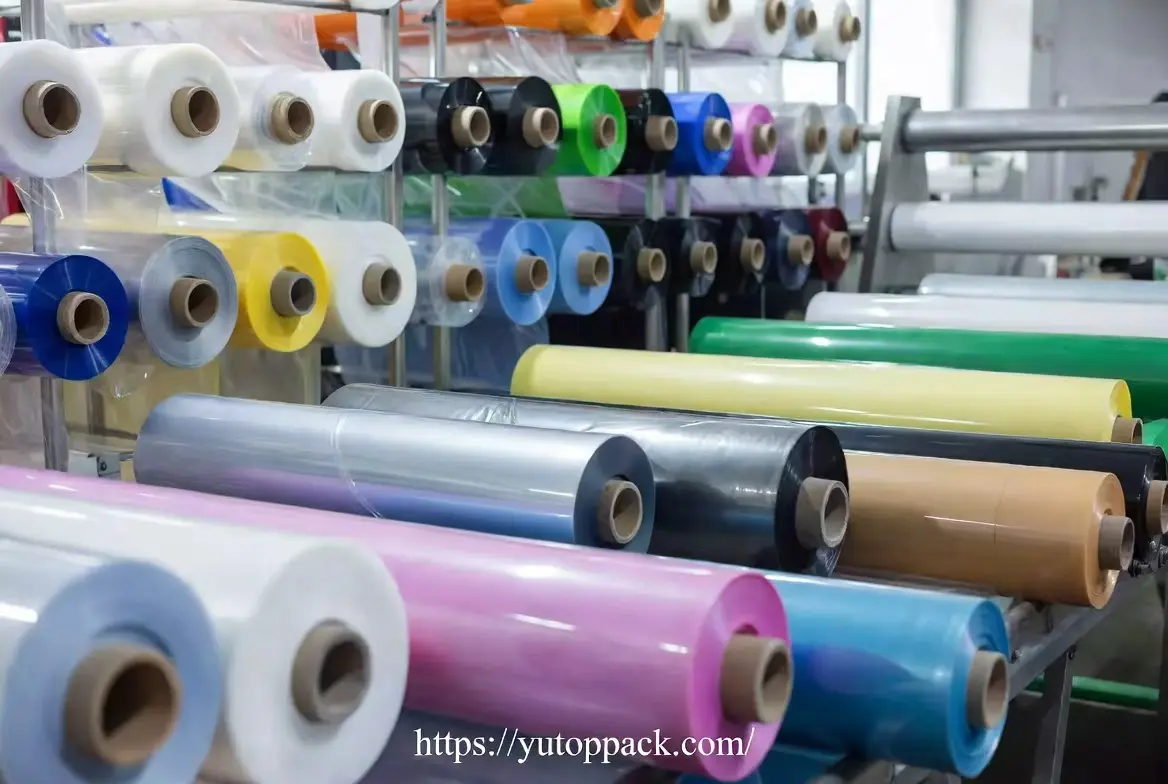
Laminated plastic films are made by combining two or more film layers. Each layer has a purpose. One layer may provide strength. Another layer may provide printability. Another layer may provide oxygen barrier. The inner layer usually provides heat sealing.
Common laminated structures include:
High-barrier laminated films can reduce the effect of oxygen, moisture, UV light, and odor transfer. This makes them a strong choice for coffee, spices, nuts, dried fruit, frozen food, sauces, medicine, and high-value consumer products.
Before buying plastic film packaging for food or other products, buyers should check more than price. A low-cost film may cause sealing problems, leakage, poor print quality, or short shelf life.
Key properties include:
Common Materials Used for Food Packaging Films
Food packaging needs safe, stable, and reliable materials. Flexible films for food packaging should protect the product while supporting clean sealing, good appearance, and proper storage performance.
Common food packaging film materials include PE, PET, BOPP, CPP, Nylon, metallized films, and aluminum foil laminated films. These materials can be used alone or combined into laminated structures.
For dry snacks, BOPP/CPP or PET/PE structures are common. For coffee and spices, PET/AL/PE or PET/VMPET/PE can provide stronger barrier protection. For frozen food, PE-based structures can offer flexibility and moisture resistance. For meat and seafood, NY/PE is often used because it provides puncture resistance and vacuum packaging performance.
When choosing plastic film packaging for food, buyers should also consider food-contact safety, storage temperature, product oil content, shelf life, and sealing method.
Different products face different packaging risks. A good flexible packaging film supplier should understand these risks before recommending a material.
This is why flexible packaging film types should be selected by application, not only by material name. The same PET film or PE film can perform differently depending on thickness, lamination, coating, and sealing design.
Custom printed plastic films help brands create a stronger market image. Instead of using plain packaging, brands can print logos, product information, colors, patterns, QR codes, ingredients, instructions, and marketing messages directly on the film.
Printed flexible packaging films are especially useful for food, snacks, coffee, pet food, cosmetics, daily products, and retail items. Good printing can make a product look more professional and increase buyer trust.
A professional flexible packaging film manufacturer can support artwork checking, color matching, plate making, gravure printing, lamination, slitting, and roll stock production. This helps buyers receive film rolls that are ready for their packaging machines.
For international brands, custom printed flexible film packaging also helps maintain consistent branding across different product lines and markets.
Choosing the right film thickness and structure requires a clear understanding of the product. Buyers should not simply ask for the cheapest price. They should first define the packaging requirement.
Before requesting a quotation, prepare these details:
Plastic films in flexible packaging are used across many industries. In food packaging, they help protect freshness and improve shelf life. In retail packaging, they improve product display and brand recognition. In industrial packaging, they protect parts, materials, and components from dust, moisture, and handling damage.
Common applications include:
This flexibility makes them useful for both new brands and large manufacturing companies.
Sustainability is becoming more important in the flexible packaging films market. Many brands now want packaging that reduces material waste, supports recycling goals, and still protects the product.
Common sustainable options include recyclable mono-material PE films, recyclable PP-based films, thinner downgauged films, and structures designed to reduce unnecessary material use. Some brands also choose paper-plastic combinations or biodegradable options, depending on product requirements and local regulations.
However, sustainable packaging should not sacrifice product safety. If the film cannot protect the product, it may increase waste instead of reducing it. The best approach is to choose a film structure that balances recyclability, shelf life, sealing performance, and cost.
Buyers should ask their flexible packaging film suppliers whether the material can meet both environmental goals and real packaging performance needs.
Many buyers compare packaging film companies only by price. This can create hidden problems later. A cheaper film may look good at first, but it can fail during production, shipping, or storage.
Common mistakes include:
To get the right solution, buyers should communicate clearly with the supplier. The more details the manufacturer receives, the more accurate the quotation and material recommendation will be.
A simple sourcing process can include five steps:
Plastic films in flexible packaging are essential for modern brands that need safe, attractive, lightweight, and cost-effective packaging. The right film can protect food, powder, liquid, cosmetics, pet food, and industrial products while supporting strong branding and efficient production.
When choosing flexible packaging films, buyers should consider material type, thickness, barrier performance, sealing strength, printing quality, sustainability goals, and supplier capability. PE, PET, BOPP, CPP, Nylon, metallized film, and aluminum foil laminated films all have different advantages, and the best structure depends on the product.
For brands looking for custom plastic films for packaging, working with an experienced flexible packaging film manufacturer can reduce risk, improve quality, and create packaging that performs well from production line to retail shelf.
Need custom flexible packaging films for your product? Contact Yutop Pack to discuss your material structure, printing design, roll size, pouch format, and packaging requirements.
What Are Plastic Films in Flexible Packaging? Materials, Uses, and Selection Guide
Plastic films in flexible packaging are thin, lightweight, and customizable materials used to protect, seal, display, and transport products. They are widely used for food, snacks, pet food, coffee, powder, liquids, cosmetics, daily products, and industrial goods.
For brands and manufacturers, choosing the right flexible packaging films is not only about appearance. The film structure can affect shelf life, sealing strength, printing quality, moisture protection, oxygen barrier, product safety, and total packaging cost.
This guide explains the main materials, uses, properties, and selection points of plastic films in flexible packaging, helping buyers choose the right packaging film for their product and market.
What Are Plastic Films in Flexible Packaging?
Plastic films in flexible packaging are thin polymer-based layers that can bend, fold, seal, and wrap around products. Unlike rigid packaging such as bottles, jars, cans, or boxes, flexible film packaging uses less material and can be made into rolls, pouches, sachets, bags, wrappers, and laminated structures.These films are commonly supplied as:
- Roll stock films for automatic packaging machines
- Laminated films for stronger barrier protection
- Printed films for retail branding
- Food packaging films for direct food contact
- Specialty films for high-barrier, heat-resistant, or puncture-resistant needs
Why Plastic Films Are Important in Modern Flexible Packaging
Plastic films play an important role because modern products need packaging that is light, strong, safe, attractive, and cost-efficient. Good flexible film packaging helps protect the product from oxygen, moisture, dust, light, oil, aroma loss, and outside contamination.
For food brands, the right film can help maintain freshness and reduce product waste. For retail products, printed plastic film packaging can improve shelf appeal and brand recognition. For industrial products, strong laminated films can reduce damage during storage and shipping.
Plastic films are also popular because they work well with high-speed filling and sealing machines. This is important for factories that need stable production, consistent sealing, and smooth packaging line performance.
In short, plastic films in flexible packaging support three major goals: product protection, brand presentation, and production efficiency.
Main Types of Plastic Films Used in Flexible Packaging
Different products require different film types. Some products need high clarity. Some need strong sealing. Some need oxygen barrier. Others need puncture resistance or heat resistance.
| Film Type | Main Advantage | Common Applications |
|---|---|---|
| PE film | Flexible and moisture-resistant | Frozen food, daily products, industrial packaging |
| PET film | Strong and heat-resistant | Laminated pouches, vacuum packaging, retort packaging |
| BOPP film | Clear, stiff, and printable | Snacks, labels, candy, retail packaging |
| CPP film | Excellent heat sealing | Laminated film inner layer, food packaging |
| Nylon film | High puncture resistance | Meat, seafood, cheese, vacuum bags |
| Aluminum foil laminated film | Strong light, oxygen, and moisture barrier | Coffee, spices, medicine, high-barrier food packaging |
| Metallized film | Premium look and barrier support | Snacks, coffee, pet food, decorative packaging |
PE, PET, BOPP, CPP and Nylon Films Explained
PE film, also called polyethylene film, is one of the most common flexible packaging films. It offers good flexibility, moisture resistance, and sealing performance. PE is often used as the inner sealing layer in laminated structures.PET film is strong, stable, and heat-resistant. It is often used as an outer layer in laminated plastic films because it supports printing and improves mechanical strength. PET is suitable for products that need strong structure and good appearance.
BOPP film is known for its high clarity, stiffness, and good printability. It is widely used in snack packaging, candy packaging, labels, and overwrap films. BOPP is a good option when the brand needs a clean and attractive retail display.
CPP film provides excellent heat-sealing performance. It is often used as a sealant layer in flexible film packaging. CPP can work well in food packaging, retort packaging, and laminated packaging structures.
Nylon film, also called PA film, offers strong puncture resistance and good oxygen barrier performance. It is suitable for vacuum bags, meat packaging, seafood packaging, cheese packaging, and products with sharp edges or heavy contents.
Each material has a different role. In many cases, one single film cannot meet all requirements. That is why flexible packaging companies often combine several materials into one laminated structure.
Single-Layer vs Multi-Layer Plastic Packaging Films
Plastic films in flexible packaging can be single-layer or multi-layer. The choice depends on product needs, budget, machine type, and shelf-life requirements.
| Structure | Best For | Main Benefit | Limitation |
|---|---|---|---|
| Single-layer film | Simple packaging needs | Lower cost and easier structure | Limited barrier performance |
| Multi-layer film | Food, coffee, pet food, liquid, powder | Stronger protection and better function | Higher cost than simple film |
| Laminated film | Premium or high-barrier packaging | Combines printing, barrier, and sealing | Requires correct material design |
For example, a snack package may need an outer printable layer, a middle barrier layer, and an inner heat-seal layer. A coffee pouch may need aluminum foil or metallized film to protect aroma and block light. A vacuum bag may need nylon for puncture resistance and PE for sealing.
Laminated Plastic Films for Better Barrier Protection
Laminated plastic films are made by combining two or more film layers. Each layer has a purpose. One layer may provide strength. Another layer may provide printability. Another layer may provide oxygen barrier. The inner layer usually provides heat sealing.Common laminated structures include:
- PET/PE
- BOPP/CPP
- PET/VMPET/PE
- PET/AL/PE
- NY/PE
- BOPP/VMCPP
High-barrier laminated films can reduce the effect of oxygen, moisture, UV light, and odor transfer. This makes them a strong choice for coffee, spices, nuts, dried fruit, frozen food, sauces, medicine, and high-value consumer products.
Key Properties to Check: Strength, Sealing, Barrier and Clarity
Before buying plastic film packaging for food or other products, buyers should check more than price. A low-cost film may cause sealing problems, leakage, poor print quality, or short shelf life.Key properties include:
- Thickness: Affects strength, flexibility, and cost.
- Tensile strength: Helps the film resist stretching and breaking.
- Puncture resistance: Important for sharp, heavy, or vacuum-packed products.
- Heat-seal strength: Prevents leakage and open seals.
- Oxygen barrier: Helps protect flavor, color, and freshness.
- Moisture barrier: Keeps dry products crispy and prevents humidity damage.
- Clarity: Important for transparent packaging and product visibility.
- Printability: Affects brand design, color accuracy, and shelf appeal.
- Machine compatibility: Ensures smooth performance on filling and sealing lines.
Common Materials Used for Food Packaging Films
Food packaging needs safe, stable, and reliable materials. Flexible films for food packaging should protect the product while supporting clean sealing, good appearance, and proper storage performance.
Common food packaging film materials include PE, PET, BOPP, CPP, Nylon, metallized films, and aluminum foil laminated films. These materials can be used alone or combined into laminated structures.
For dry snacks, BOPP/CPP or PET/PE structures are common. For coffee and spices, PET/AL/PE or PET/VMPET/PE can provide stronger barrier protection. For frozen food, PE-based structures can offer flexibility and moisture resistance. For meat and seafood, NY/PE is often used because it provides puncture resistance and vacuum packaging performance.
When choosing plastic film packaging for food, buyers should also consider food-contact safety, storage temperature, product oil content, shelf life, and sealing method.
How Plastic Films Protect Food, Powder, Liquid and Daily Products
Different products face different packaging risks. A good flexible packaging film supplier should understand these risks before recommending a material.
| Product Type | Main Packaging Risk | Recommended Film Focus |
|---|---|---|
| Snacks | Moisture, oxygen, loss of crispness | Moisture barrier and strong sealing |
| Coffee | Aroma loss, oxygen, light | High-barrier laminated film |
| Powder | Leakage, moisture absorption | Tight sealing and anti-pinhole structure |
| Liquid | Leakage, seal failure | Strong sealant layer and puncture resistance |
| Frozen food | Low temperature cracking | Flexible PE-based structure |
| Meat and seafood | Oxygen, puncture, leakage | Nylon/PE vacuum structure |
| Cosmetics | Moisture, oil, premium appearance | Laminated printed film |
| Industrial parts | Dust, moisture, shipping damage | Strong composite film |
Custom Printed Plastic Films for Brand Packaging
Custom printed plastic films help brands create a stronger market image. Instead of using plain packaging, brands can print logos, product information, colors, patterns, QR codes, ingredients, instructions, and marketing messages directly on the film.Printed flexible packaging films are especially useful for food, snacks, coffee, pet food, cosmetics, daily products, and retail items. Good printing can make a product look more professional and increase buyer trust.
A professional flexible packaging film manufacturer can support artwork checking, color matching, plate making, gravure printing, lamination, slitting, and roll stock production. This helps buyers receive film rolls that are ready for their packaging machines.
For international brands, custom printed flexible film packaging also helps maintain consistent branding across different product lines and markets.
How to Choose the Right Film Thickness and Structure
Choosing the right film thickness and structure requires a clear understanding of the product. Buyers should not simply ask for the cheapest price. They should first define the packaging requirement.Before requesting a quotation, prepare these details:
- Product type and weight
- Solid, powder, liquid, oily, dry, or frozen condition
- Required shelf life
- Storage temperature
- Bag size or roll width
- Packing machine type
- Sealing method
- Printing design and color quantity
- Need for transparency, matte finish, glossy finish, or window
- Barrier requirement against oxygen, moisture, light, or aroma loss
- Target market and compliance needs
Plastic Films for Food, Retail, Industrial and Consumer Packaging
Plastic films in flexible packaging are used across many industries. In food packaging, they help protect freshness and improve shelf life. In retail packaging, they improve product display and brand recognition. In industrial packaging, they protect parts, materials, and components from dust, moisture, and handling damage.Common applications include:
- Snack packaging
- Coffee and tea packaging
- Frozen food packaging
- Meat and seafood vacuum bags
- Pet food bags
- Powder packaging
- Sauce and liquid pouches
- Cosmetic sachets
- Daily product refill packs
- Medical and hygiene packaging
- Industrial protective packaging
This flexibility makes them useful for both new brands and large manufacturing companies.
Recyclable and Sustainable Options for Flexible Packaging Films
Sustainability is becoming more important in the flexible packaging films market. Many brands now want packaging that reduces material waste, supports recycling goals, and still protects the product.Common sustainable options include recyclable mono-material PE films, recyclable PP-based films, thinner downgauged films, and structures designed to reduce unnecessary material use. Some brands also choose paper-plastic combinations or biodegradable options, depending on product requirements and local regulations.
However, sustainable packaging should not sacrifice product safety. If the film cannot protect the product, it may increase waste instead of reducing it. The best approach is to choose a film structure that balances recyclability, shelf life, sealing performance, and cost.
Buyers should ask their flexible packaging film suppliers whether the material can meet both environmental goals and real packaging performance needs.
Common Mistakes When Choosing Plastic Films for Packaging
Many buyers compare packaging film companies only by price. This can create hidden problems later. A cheaper film may look good at first, but it can fail during production, shipping, or storage.
Common mistakes include:
- Choosing film thickness without checking product weight
- Ignoring oxygen and moisture barrier requirements
- Using the wrong sealing layer for the packing machine
- Selecting beautiful printing but weak material structure
- Not testing samples before mass production
- Forgetting storage temperature and transport conditions
- Comparing prices without comparing material structures
- Working with suppliers that cannot provide technical support
- Not confirming food-contact or export market requirements
How to Get the Right Plastic Film Packaging Solution from a Manufacturer
To get the right solution, buyers should communicate clearly with the supplier. The more details the manufacturer receives, the more accurate the quotation and material recommendation will be.A simple sourcing process can include five steps:
- Share product information
Tell the supplier what product you pack, its weight, form, storage condition, and shelf-life target. - Confirm packaging format
Choose roll film, pouch, sachet, vacuum bag, stand-up pouch, or another format. - Discuss material structure
Ask the supplier to recommend PE, PET, BOPP, CPP, Nylon, aluminum foil, metallized film, or laminated structures. - Check printing and finishing needs
Confirm artwork, color quantity, matte or glossy finish, transparent window, zipper, spout, or other features. - Request samples before bulk order
Test sealing, filling, appearance, strength, and machine compatibility before mass production.
Conclusion
Plastic films in flexible packaging are essential for modern brands that need safe, attractive, lightweight, and cost-effective packaging. The right film can protect food, powder, liquid, cosmetics, pet food, and industrial products while supporting strong branding and efficient production.When choosing flexible packaging films, buyers should consider material type, thickness, barrier performance, sealing strength, printing quality, sustainability goals, and supplier capability. PE, PET, BOPP, CPP, Nylon, metallized film, and aluminum foil laminated films all have different advantages, and the best structure depends on the product.
For brands looking for custom plastic films for packaging, working with an experienced flexible packaging film manufacturer can reduce risk, improve quality, and create packaging that performs well from production line to retail shelf.
Need custom flexible packaging films for your product? Contact Yutop Pack to discuss your material structure, printing design, roll size, pouch format, and packaging requirements.